

Sofia Coppola has built an auteur cinema out of the specific emotional texture of femininity, privilege, and the particular loneliness of women who have everything except what they actually want. With guest Sacha Gertsik, the podcast traces her filmography from The Virgin Suicides to Priscilla — asking what distinguishes a genuine auteur from the nepo baby label that criticism sometimes substitutes for analysis. From Lost in Translation to the Converse shoes in Marie Antoinette: an episode about a filmmaker who made the girl era a serious aesthetic position long before anyone else named it.
Hayao Miyazaki made films for children that contain more truth about loss, mortality, and the difficulty of living than most adult cinema can manage. This episode explores the deep magic of Studio Ghibli — the hand-drawn worlds, the absent parents, the flying machines, the spirits in the landscape — and asks what it means to tell children that life is beautiful and terrifying and worth it. From My Neighbor Totoro to Princess Mononoke to The Boy and the Heron: an episode about a filmmaking philosophy built on genuine belief in the audience's capacity to feel.
Hope is political. If you have hope then you have confidence you can change things. After sixty years of filmmaking, Ken Loach arrives at what may be his most urgent film yet — a story of solidarity between a Syrian refugee community and the last pub in a dying English mining town. Speaking with Elliot, Loach discusses The Old Oak as both a political act and a love letter to the people that mainstream cinema consistently ignores. He explains why he never runs out of stories when there are still everyday people whose lives deserve to be on screen — and why solidarity is not a soft word but a radical one.
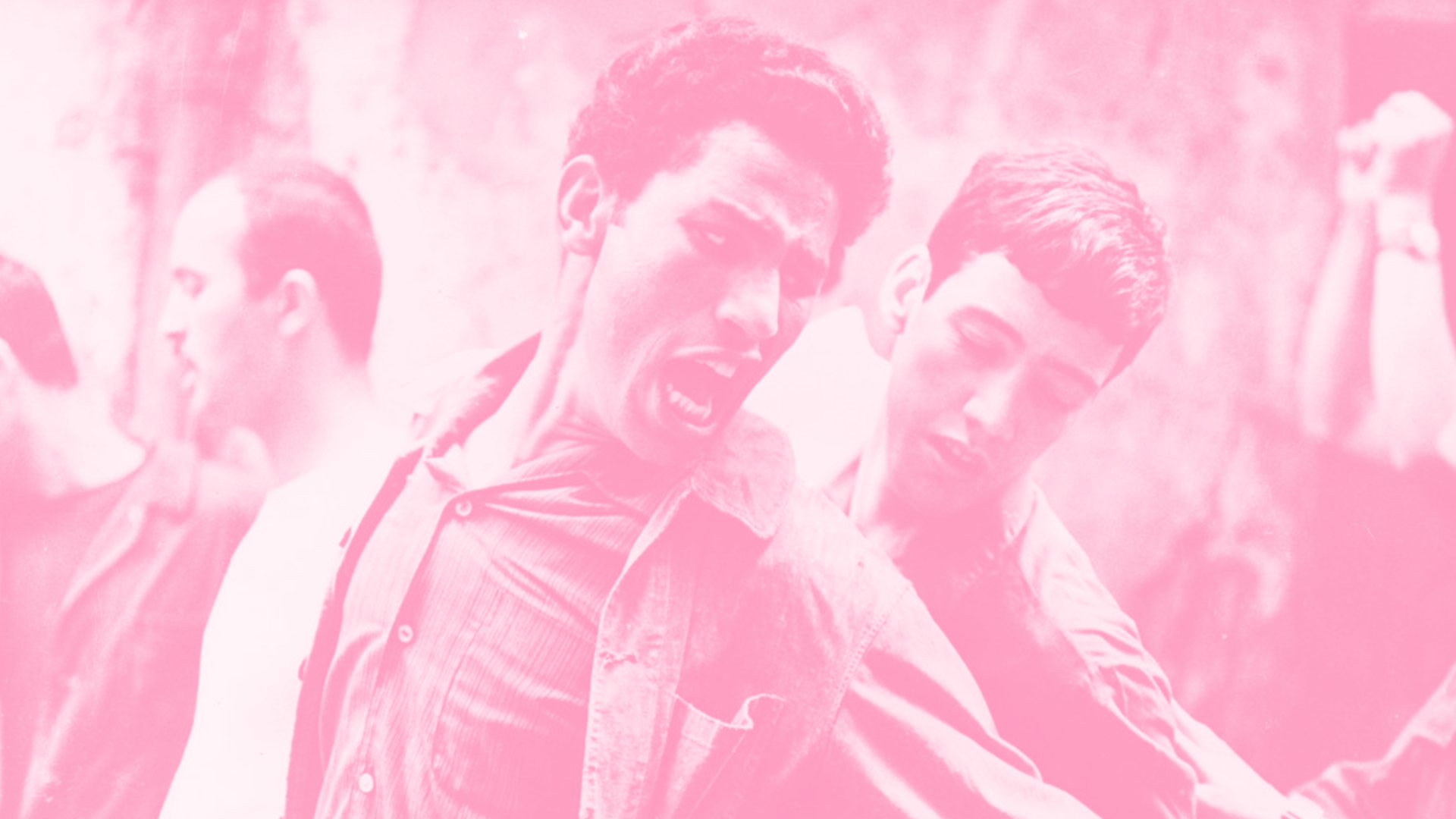
An essay by Elliot Bloom, written during the most acute phase of Israel’s assault on Gaza. Starting from the conviction that cinema is not just watched but discussed, this piece asks what Pontecorvo’s The Battle of Algiers — a film about colonial violence, resistance, and the mechanics of occupation — can tell us about the images arriving from Palestine. Not a comfortable essay, but an honest one. Written for anyone who has been shaken to the core and found themselves reaching for cinema to try to understand.
In the weeks following Hamas's October 7th attacks and Israel's campaign in Gaza, Celebrating Cinema turns to Gillo Pontecorvo's The Battle of Algiers — one of cinema's most forensic examinations of colonial violence and the conditions that produce resistance. The episode asks what it means to watch this film now, how cinema can try to make sense of atrocities without instrumentalising them, and what the French colonial mindset Pontecorvo documented reveals about contemporary systems of occupation. A sober, necessary episode made in the urgency of the present.
Closing the Future Frames series: Bram Ruiter is a filmmaker for whom the mechanics of cinema are the subject of cinema. Not interested in traditional narrative structures, he experiments with the elements of film itself — taking them apart to see how they work, and what happens when they work differently. For this edition of Future Frames, Bram discusses the inner life of the moving image with Elliot: what it means to be obsessed with the form itself rather than the stories it typically tells.
Part of Celebrating Cinema's Future Frames series, spotlighting emerging filmmakers screening at LAB111's Sunday Shorts programme. Rafik Opti is a filmmaker who finds their frame on the streets — drawn to the beauty of the unrehearsed, the accidental, the alive. In conversation with Kiriko, Opti traces an unlikely set of influences: Step Up, She's the Man, Janet Jackson's Rhythm Nation — popular forms that gave them permission to trust their own eye and trust their audience to feel what they feel. An episode about how cinema teaches cinema across the most unexpected distances.
Ira Sachs's Passages is a film about desire consuming everything in its path — and Franz Rogowski's performance at its centre is one of the great combustible acts of contemporary cinema. Speaking with Sophie, Sachs describes watching three films a day as a form of cinematic education, his debt to Yasujiro Ozu, and the specific challenge of writing a character who causes harm without ever losing the audience's fascinated attention. A conversation about the ecstasy and risk in filmmaking — and why the best films make you feel both at once.
Martin Scorsese has been making films about obsession, faith, redemption, and the seduction of the American dream for fifty years — and what he actually thinks about any of it remains productively unresolved. Moving through his filmography from Mean Streets to Killers of the Flower Moon, the podcast examines the recurring figure of the man undone by his own desires, the Catholic guilt underlying even his most secular work, and why he remains cinema's great chronicler of the gap between who we want to be and what we actually do.
A rare cultural moment in cinema: the release of Greta Gerwig's Barbie had everyone talking. Sharing their experiences of watching the candy-coloured spectacle, the hosts question why Barbie was held to different standards compared to Nolan's Oppenheimer — and ask where big studio cinema can go from here. An episode about expectation, cultural weight, and what it means when a mainstream film tries to say something genuinely feminist — and whether it actually succeeds.
Recent Comments