

Bertrand Bonello is one of the few working filmmakers for whom arthouse is genuinely not a cliche — because his films refuse arthouse conventions as deliberately as they refuse mainstream ones. The Beast, with Lea Seydoux, moves through three time periods and several genres, asking what it means to be a feeling person in an era that rewards the erasure of feeling. In conversation with Hugo, Bonello discusses how Lynch and Jarmusch seep into his work unconsciously, what Seydoux's acting approach requires of a director, and why his films keep returning to collective social anxieties rather than individual psychology.

An editorial by Elliot Bloom on the singular cinema of Nicolas Cage — the actor who made nouveau shamanic a coherent artistic position. From the snakeskin jacket of Wild at Heart to the manic energy of Mandy, this essay traces how Cage transformed from Hollywood golden boy to internet meme to cult auteur, and argues that what looks like excess is actually conviction. Required reading before (or after) the podcast episode.
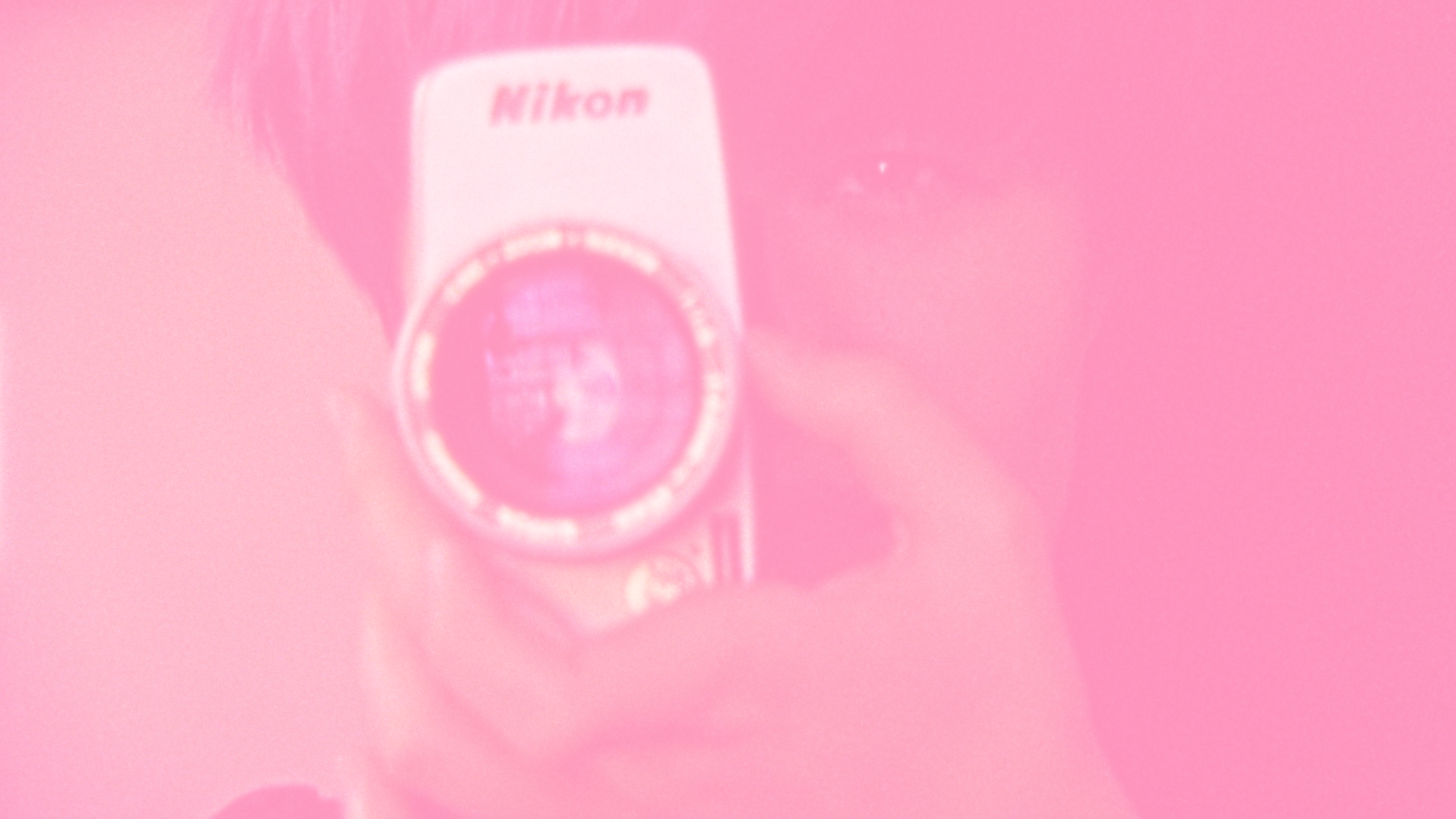
Filmmaker Marusya Syroechkovskaya’s How to Save a Dead Friend is a whirlwind of emotions: an homage to a silenced generation and to her lover and best friend Kimi, set against the rise of Russia’s authoritarian regime. Speaking with Hugo, Marusya reveals the toils and costs of making a deeply intimate film about grief and political suffocation — and why the only honest response to the impossibility of her situation was to pick up the camera and document everything before it was too late.
Are we witnessing the end of American mainstream cinema? Hugo Emmerzael invites filmmaker, critic, and video essay specialist Scout Tafoya to examine this question through a 10-part series about Ridley and Tony Scott as the architects of the American blockbuster — and the question of what happened to the filmmaking spirit they embodied when Hollywood became a franchise machine. What does the end of history mean for cinema? And if American mainstream film has stopped taking formal risks, where do the risks actually go?
Recorded live from the French airport Nice, Hugo & Tom recap their rollercoaster experience of Cannes Film Festival. This dispatch finally arrives from the delayed luggage carousel packed with hot takes and films to look out for, as well as stories of Tom's lavish escapades. From Tom's maiden voyage to Hugo being a seasoned attendee, does the spectacle of Cannes live up to its grand illusion?
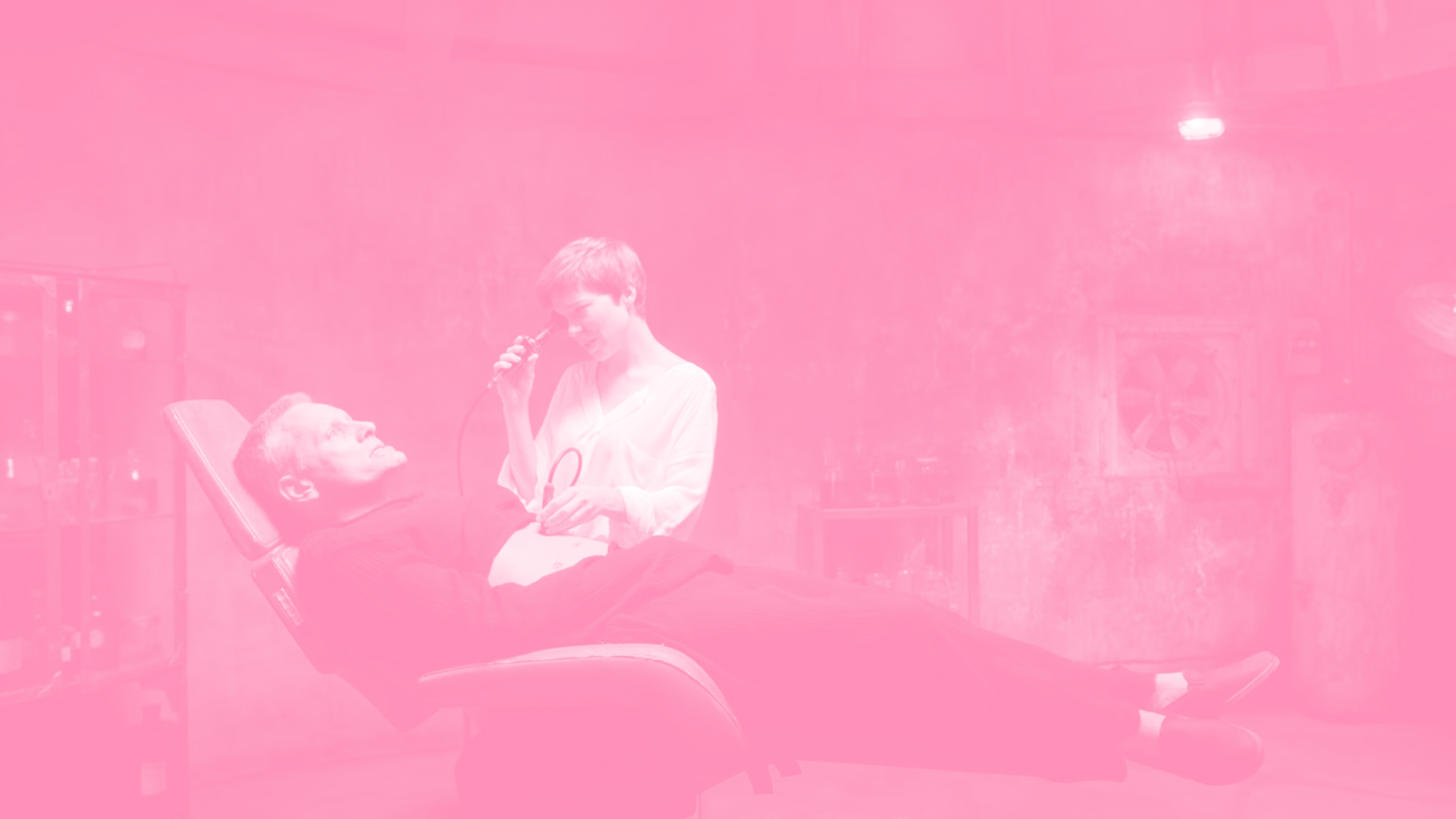
Beginning with a pain in the right index finger from too much smartphone use — and the impossibility of growing an extra thumb to cope — this essay moves into Cronenberg territory: the filmmaker who has spent fifty years exploring what happens at the intersection of human bodies and the technologies they’ve invented. From Videodrome to Crash to Crimes of the Future, an essay about what Cronenberg sees in the body that the rest of cinema looks away from, and why his vision feels more accurate to how we actually live than almost anything being made today.
Finnish director Hanna Bergholm joins Hugo to discuss her gripping feature debut Hatching (2022), which made its world premiere at Sundance Film Festival 2022. This body-horror, coming-of-age drama certainly packs a punch. From 70s horror films to working with the best animatronic designer out there, find out Hanna's journey to creating this thrilling debut.
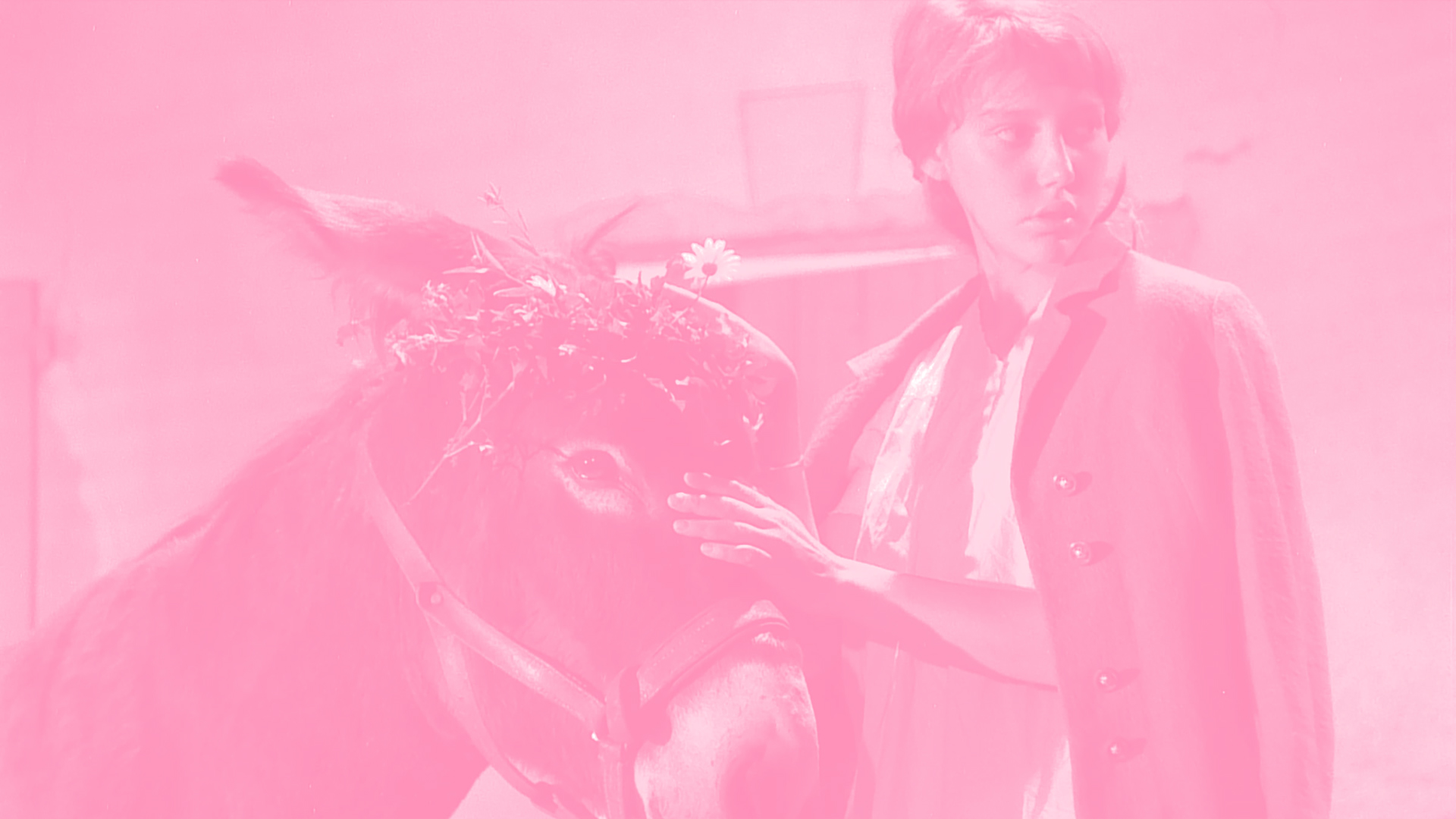
An editorial reflection on the central contradiction of cinema: how a medium that requires you to be physically still can make you transcend yourself entirely. Drawing on Paul Schrader’s concept of transcendental style and the experience of films that do something you can’t quite name — that seem to shift the room around you — this piece asks what it means when cinema doesn’t just move you but lifts you. For anyone who has floated out of a dark room changed by what they saw in it.
To “celebrate” the release of Clint Eastwood’s latest film Cry Macho and maybe his final swan song, Hugo & Tom get together to discuss their very different relationships to this Hollywood 'icon'. On the surface this may appear to be a review of one man's career in film, but perhaps it reveals something about our own attitude to cinema. Is this the Clint Eastwood spin-off show Hugo has always wanted...?
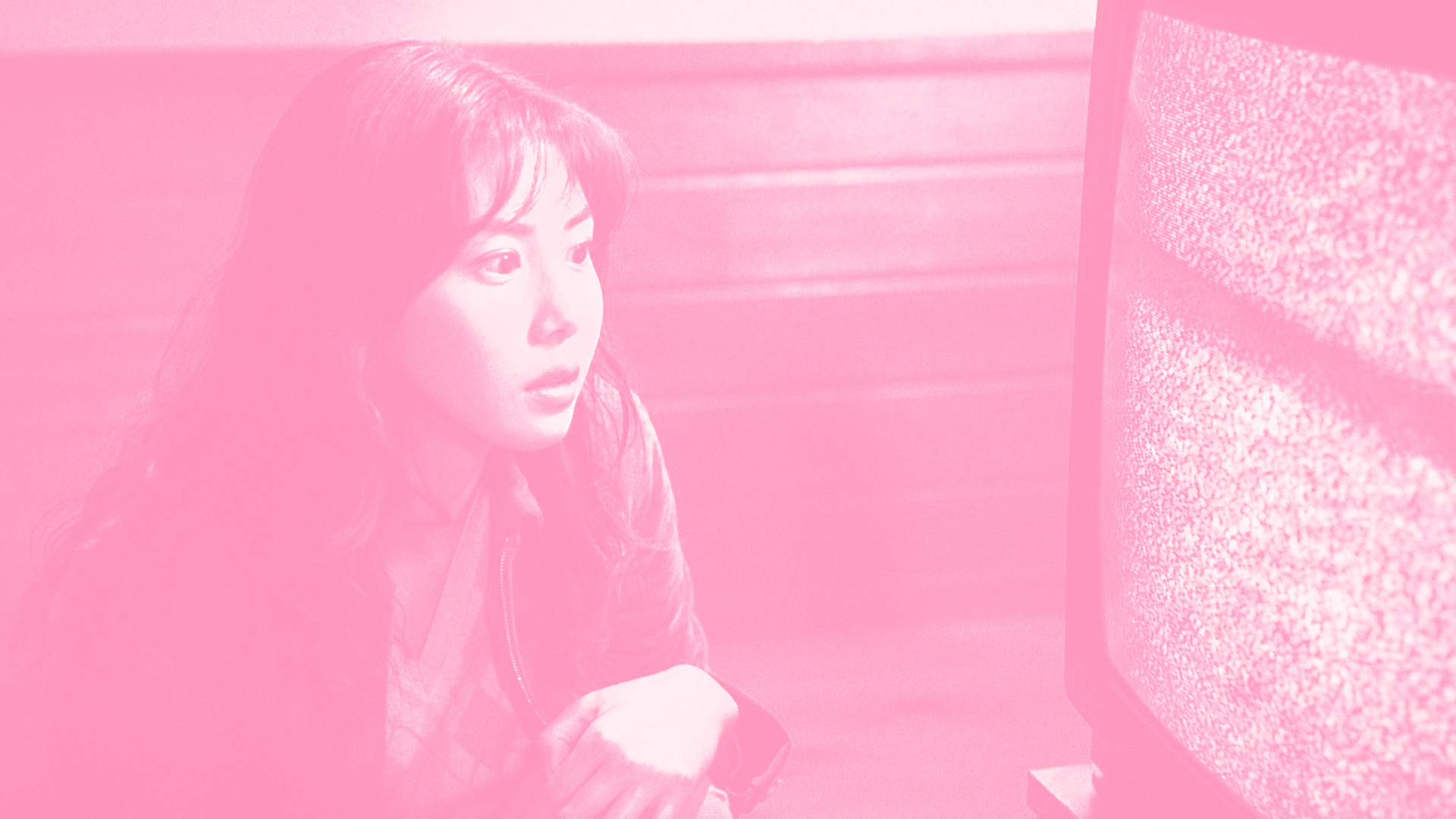
In elementary school, the scariest thing imaginable was Ringu — Hideo Nakata’s 1998 Japanese horror film that seemed to arrive from a completely different cinema than the American films dominating our screens. This essay traces that first encounter with Japanese cinema through to a genuine love for its specific qualities: the silence, the stillness, the patience, the willingness to sit with grief and ambiguity rather than resolve them. A personal account of falling for a national cinema — and what that falling opens up.
Recent Comments