

To coincide with the Girls of Plenty programme at LAB111 and the release of film journalist Basje Boer's essay collection Liggend Naakt, the podcast examines cinema's female archetypes — the bold ladies, the enigmatic witches, the figures whose exaggerated femininity has been both a constraint and, in the hands of the right filmmaker, a form of power. An episode that takes pleasure seriously: asking what it means to love a stereotype, to be moved by a cliche, and what cinema has actually been doing with female characters when it thought it was just being entertaining.
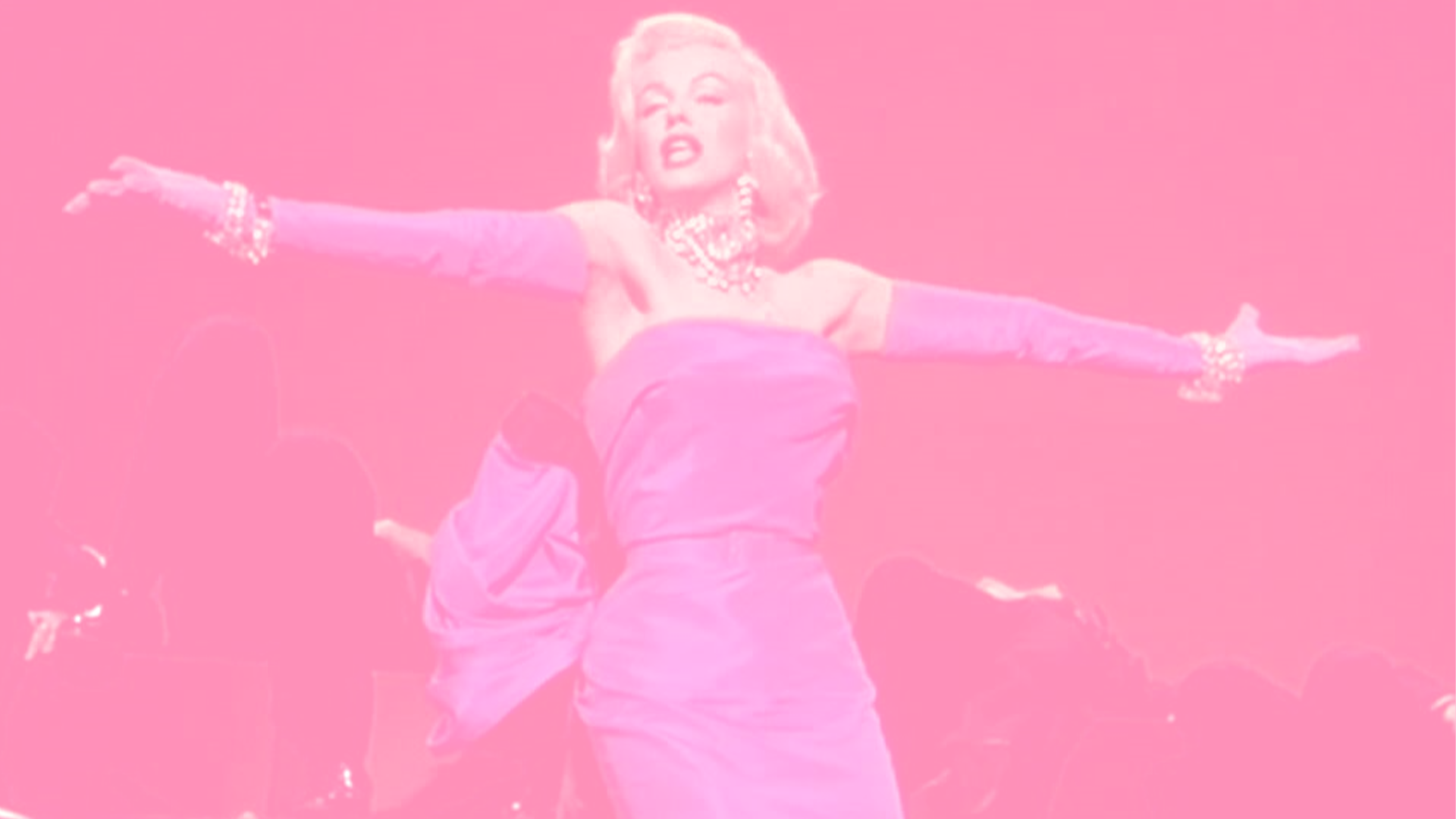
An essay in verse by film journalist and curator Basje Boer — a meditation on what a stereotype actually is, who draws the lines, and what the difference is between a broad gesture and a nuanced portrait. This piece accompanies the Girls of Plenty programme at LAB111 and asks the question that precedes all the others: before we can talk about the representation of women in cinema, we have to ask what we actually mean when we call something a stereotype.
In the 1980s, director David Hinton made a documentary with Michael Powell that only told half the story. Now, with Powell gone and the full archive available, Hinton returns to complete the portrait of The Archers — the filmmaking partnership between Powell and Emeric Pressburger that produced The Red Shoes, Black Narcissus, and A Matter of Life and Death. In conversation with Elliot, Hinton explains why only Martin Scorsese could narrate this story, and what it means to finish a film that took forty years to be possible.
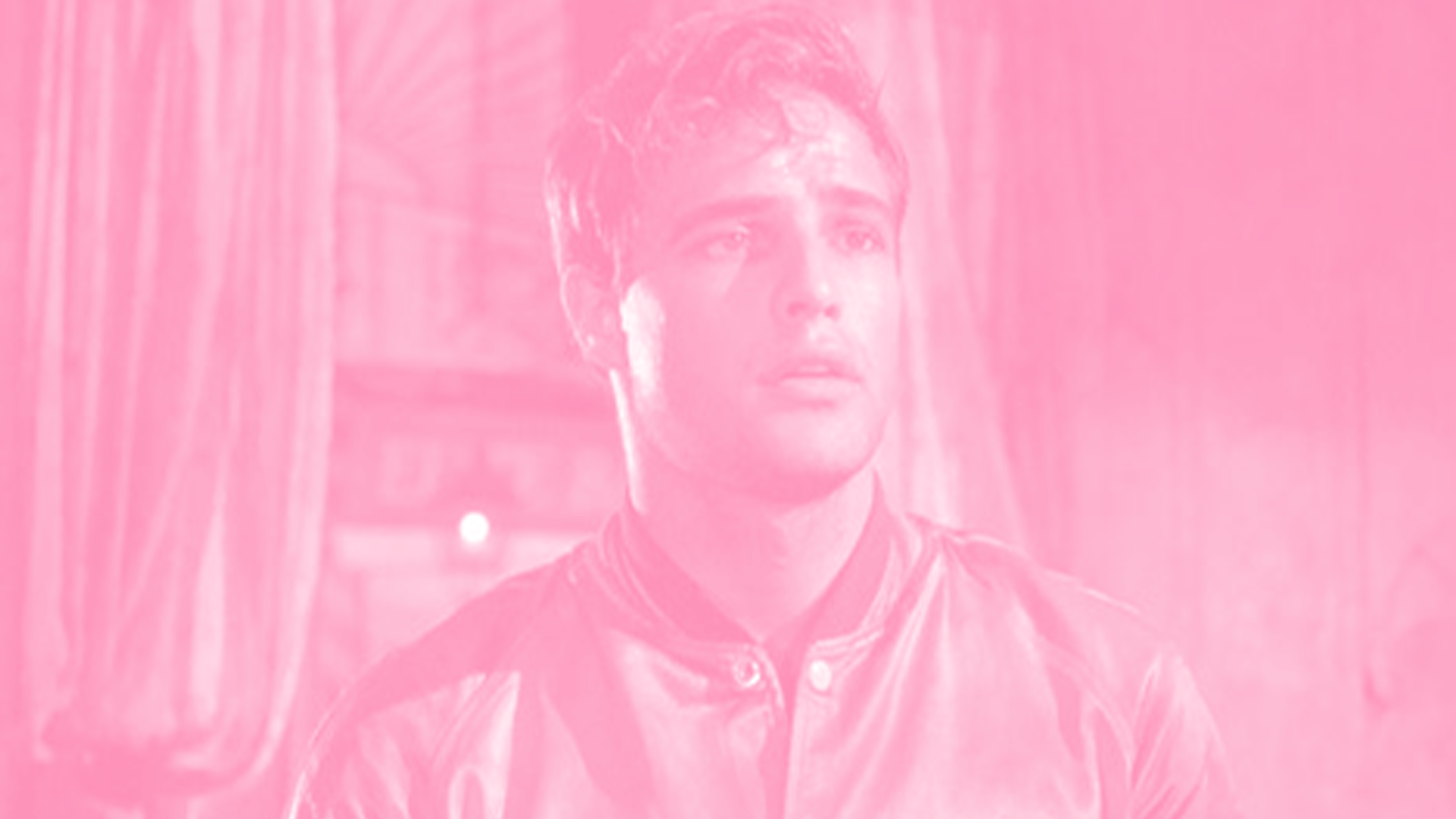
An essay by actor Mike Gomez — guest on the Art of Acting episode — about watching Seth Brundle transform in The Fly at age seven, and what that moment planted. Part love letter to the act of losing yourself in a performance, part meditation on what the HEY, LOOK AT ME of acting actually costs, this piece is a companion to the conversation: cinema as first obsession, acting as a way of being present in the world. Written by someone who acts in theatre and on camera, but mostly, he admits, just in his head.
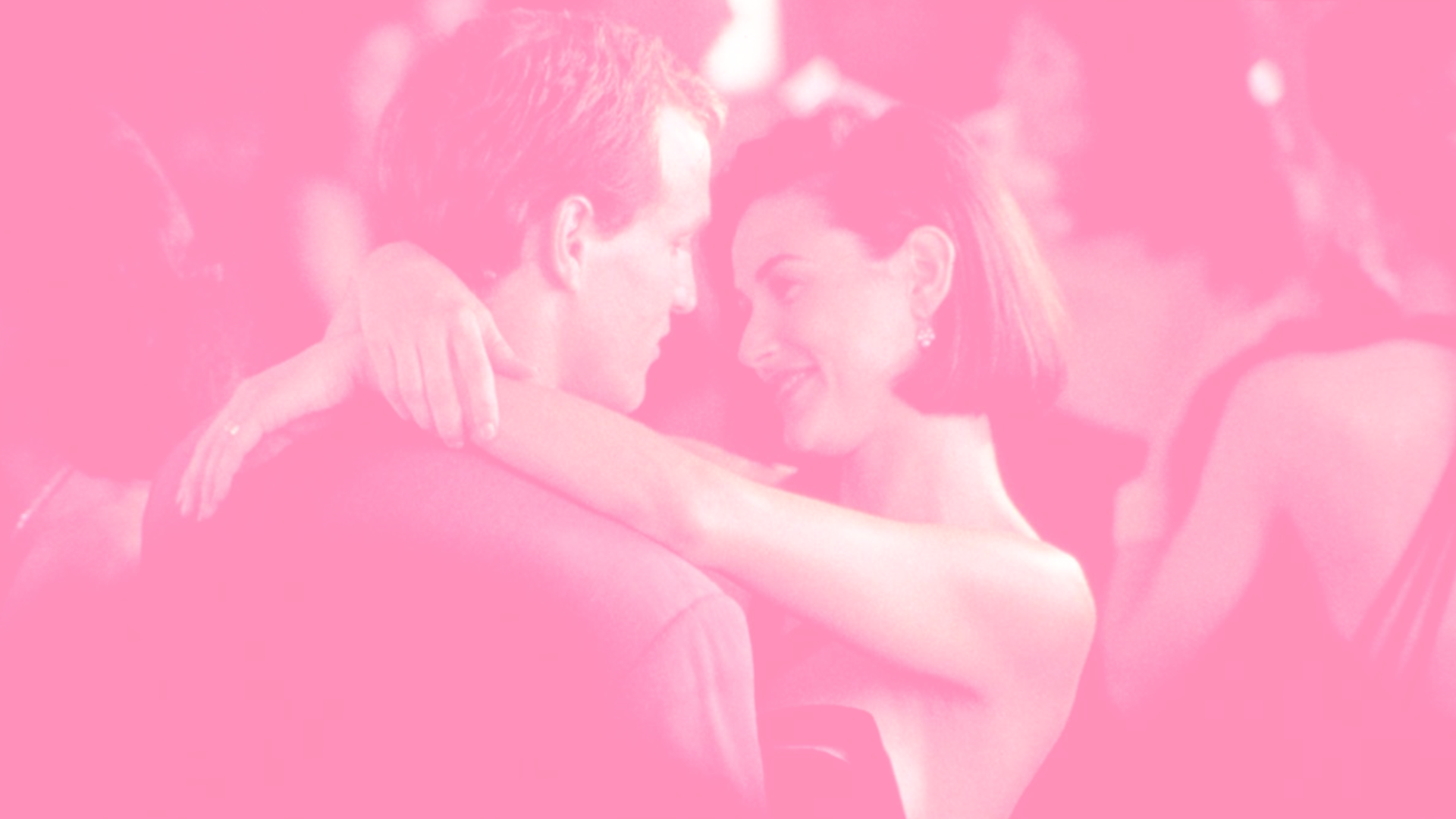
An essay about the disappearance of the sex scene from mainstream cinema — and what that disappearance says about who the industry thinks it’s making films for. Written from the position of someone who grew up in the genuinely unapologetic 1990s, when Wild Things and Eyes Wide Shut and Basic Instinct treated audiences as adults: the essay asks whether this is a feminist recalibration or a corporate risk-aversion, and whether the internet has made cinema’s attempts at erotic charge redundant before they begin.
David Fincher refuses to be called an auteur, which is the most auteurist thing about him. His films are defined by obsessively controlled camera movement, a punishing number of takes, and a fixation on grey-green colour palettes that make even domestic spaces feel like crime scenes. From Se7en and Fight Club to Zodiac, The Social Network, and Mank — an episode about what it means to be a perfectionist director in an imperfect medium, and what Fincher's characters reveal about the obsession that destroys people and makes great art simultaneously.
Timed to a live Celebrating Cinema event revisiting the film, director Catherine Hardwicke joins the podcast to discuss how she built a cultural phenomenon from a YA novel the industry didn't quite know what to do with yet. Hardwicke talks about casting the film that launched Kristen Stewart and Robert Pattinson, the specific challenges of directing as a woman in a studio system that had opinions about what a vampire romance should look like, and why she thinks the film still works — not despite its sincerity but because of it.
In partnership with MUBI, Amalia Ulman — artist, internet pioneer, and now filmmaker — joins the podcast to discuss her debut El Planeta. Set in her childhood town of Gijon, the film is a dark comedy about economic precarity that refuses to sentimentalise the working-class experience. Shot in black and white, co-starring her own mother, El Planeta arrives from a practice of digital self-invention that predates the discourse around online identity by years — and translates that sensibility into cinema with disarming precision.
Martijn de Jong's debut feature Narcosis — the Dutch Oscar entry — is a tender portrait of familial love and mourning: a diver who loses his colleague in an industrial accident, and the ripple of grief that follows. In conversation with Elliot, de Jong discusses his journey from commercial filmmaking to his first feature, the specific challenge of representing grief that is both ordinary and enormous, and what it means to make a film that wants to move its audience without manipulating them. An episode about Dutch cinema, craft, and the directorial instinct to connect.
Mia Hansen-Love's Un Beau Matin is her most autobiographical film — a portrait of a woman caring for her father as his mind dissolves, while also falling, somewhat involuntarily, into love. In conversation with Elliot, Hansen-Love discusses how cinema allows her to understand her own life's journey, why the autobiographical impulse in her work is not confession but investigation, and what it means to explore the most existential questions from the most intimate possible perspective. An episode about a filmmaker who has made a complete, deeply personal body of work entirely on her own terms.
Recent Comments