

Kevin Boitelle made his feature debut on a shoestring, and the result is one of the sharpest comedies about the Dutch film industry in years. Trip-Tych is simultaneously a film about making films and a meditation on what the creative process costs — personally, financially, and aesthetically. In conversation with Kiriko, Boitelle returns to his earliest film obsessions and the collaborations with friends that taught him what cinema should feel like: joyful, collective, and free. An episode about how to make something from nothing — and why the joy in that process is itself worth preserving.
To coincide with the Girls of Plenty programme at LAB111 and the release of film journalist Basje Boer's essay collection Liggend Naakt, the podcast examines cinema's female archetypes — the bold ladies, the enigmatic witches, the figures whose exaggerated femininity has been both a constraint and, in the hands of the right filmmaker, a form of power. An episode that takes pleasure seriously: asking what it means to love a stereotype, to be moved by a cliche, and what cinema has actually been doing with female characters when it thought it was just being entertaining.
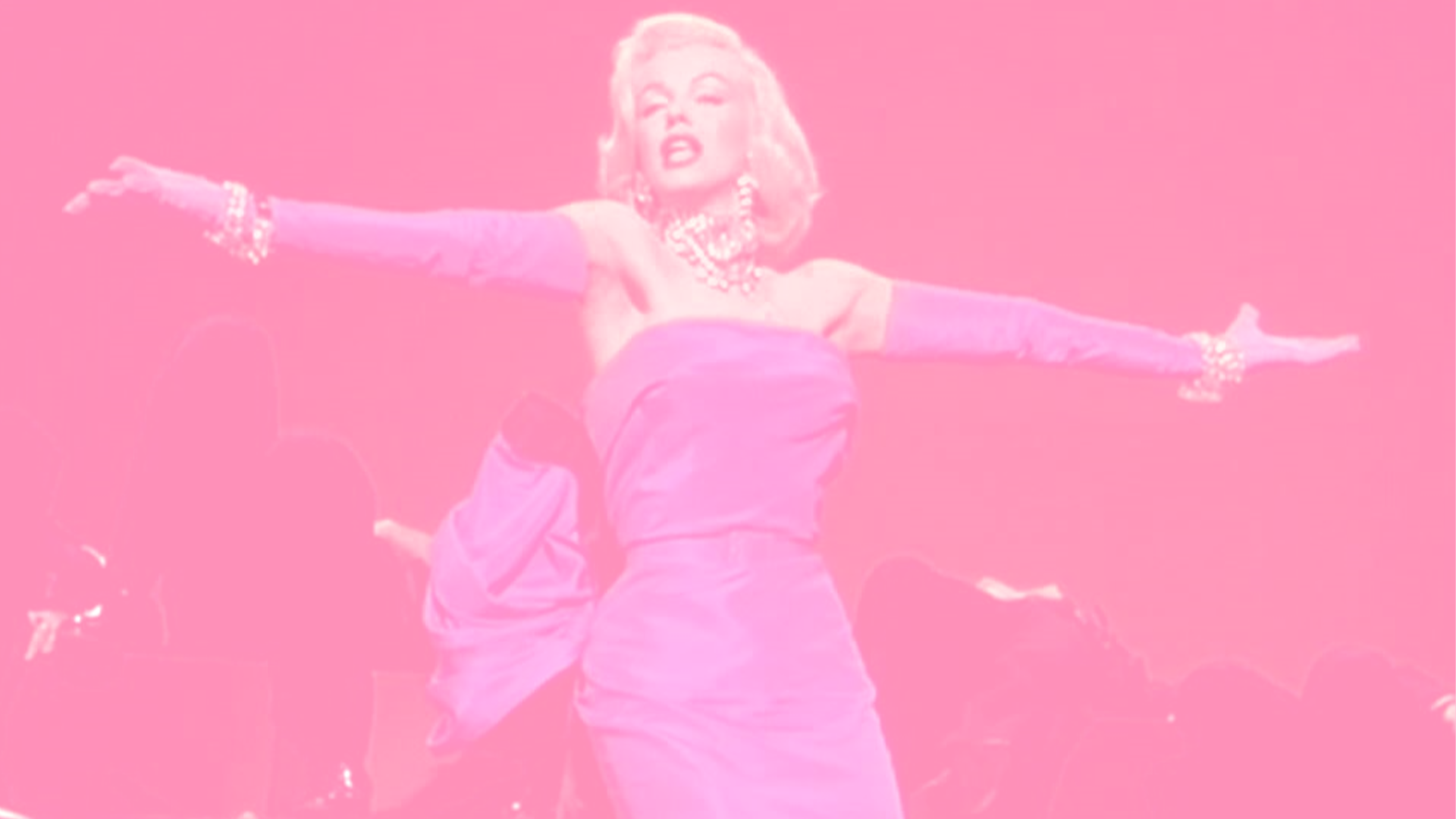
An essay in verse by film journalist and curator Basje Boer — a meditation on what a stereotype actually is, who draws the lines, and what the difference is between a broad gesture and a nuanced portrait. This piece accompanies the Girls of Plenty programme at LAB111 and asks the question that precedes all the others: before we can talk about the representation of women in cinema, we have to ask what we actually mean when we call something a stereotype.
One of LAB111's resident filmmakers opened the Netherlands Film Festival with her debut feature — a film that began as documentary and became something harder to categorise. Witte Flits follows the real-life debate around euthanasia for unbearable psychological suffering, asking whether the theoretical right survives contact with reality. In conversation with Hugo, Laura Hermanides reflects on what it costs to change form midway through a project, and what it means to follow a story wherever it needs to go — even when the destination is harder than the journey.
Orson Welles stands as a visionary filmmaker, a notorious showman, and an enigmatic storyteller who blurred the lines between fact and fiction throughout his life. Tom Ooms and Elliot Bloom dive deep into the life and legend of one of America's most celebrated yet elusive filmmakers. Timed to the re-releases of The Third Man and F for Fake at LAB111, an episode about a filmmaker who made ambiguity his method and audacity his only consistent rule — and what it cost him in Hollywood.
In the 1980s, director David Hinton made a documentary with Michael Powell that only told half the story. Now, with Powell gone and the full archive available, Hinton returns to complete the portrait of The Archers — the filmmaking partnership between Powell and Emeric Pressburger that produced The Red Shoes, Black Narcissus, and A Matter of Life and Death. In conversation with Elliot, Hinton explains why only Martin Scorsese could narrate this story, and what it means to finish a film that took forty years to be possible.
To celebrate the 15th anniversary of Coraline, Laura Gommans speaks with director Henry Selick about his illustrious career and lifelong love for cinema. From childhood terrors at his aunt's house to being transfixed by the cyclops in The 7th Voyage of Sinbad, Selick reveals the origins of his eerie yet tender storytelling style. A conversation about stop-motion animation as a form of commitment — the conviction required to build a world by hand, frame by frame — and why the films that frighten children are so often the ones they carry into adulthood.
From the screwball comedies of Hawks and Capra to the golden age of Nora Ephron, the romantic comedy has always revealed something essential about how a culture imagines love — and desire, and the acceptable limits of both. Entertainment journalist Laura Gommans joins to ask why, as our understanding of relationships has evolved, the genre that's supposed to capture those feelings has stagnated. Are the cliches the point, or has the romcom lost the freedom to be genuinely funny about what people do to each other? An episode about genre, pleasure, and why we keep waiting for a great one.
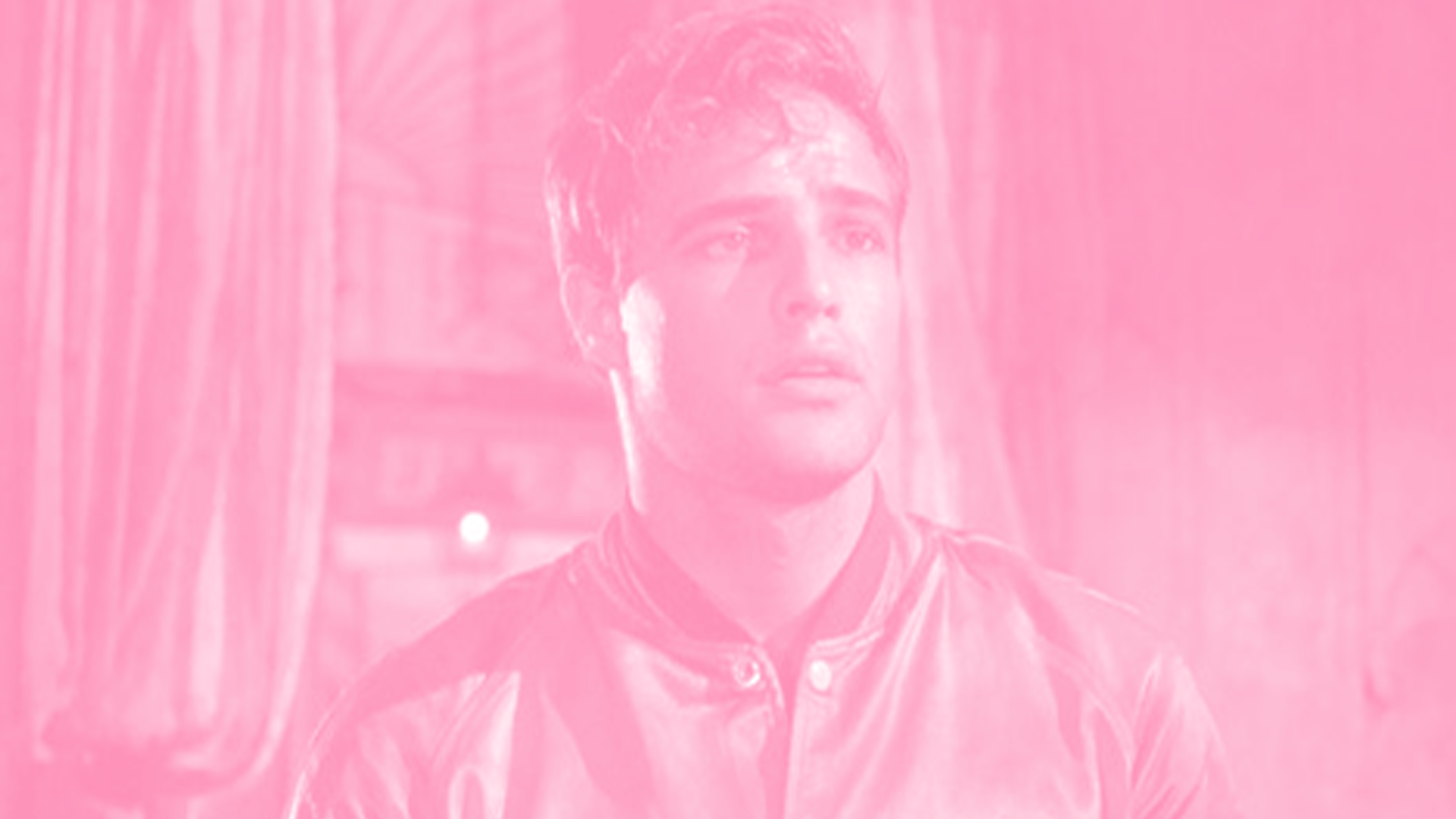
An essay by actor Mike Gomez — guest on the Art of Acting episode — about watching Seth Brundle transform in The Fly at age seven, and what that moment planted. Part love letter to the act of losing yourself in a performance, part meditation on what the HEY, LOOK AT ME of acting actually costs, this piece is a companion to the conversation: cinema as first obsession, acting as a way of being present in the world. Written by someone who acts in theatre and on camera, but mostly, he admits, just in his head.
Bertrand Bonello is one of the few working filmmakers for whom arthouse is genuinely not a cliche — because his films refuse arthouse conventions as deliberately as they refuse mainstream ones. The Beast, with Lea Seydoux, moves through three time periods and several genres, asking what it means to be a feeling person in an era that rewards the erasure of feeling. In conversation with Hugo, Bonello discusses how Lynch and Jarmusch seep into his work unconsciously, what Seydoux's acting approach requires of a director, and why his films keep returning to collective social anxieties rather than individual psychology.
Recent Comments