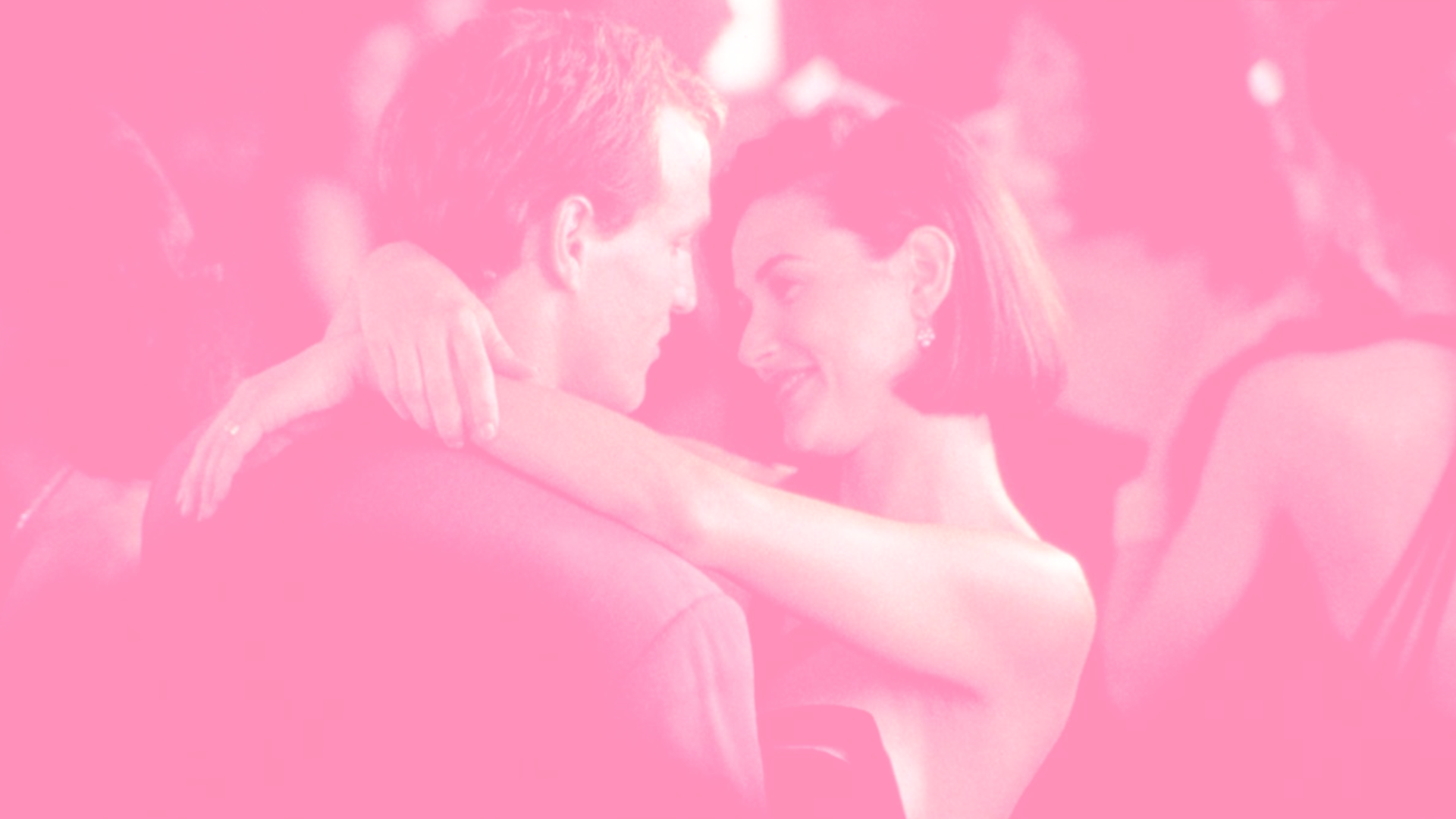
An essay about the disappearance of the sex scene from mainstream cinema — and what that disappearance says about who the industry thinks it’s making films for. Written from the position of someone who grew up in the genuinely unapologetic 1990s, when Wild Things and Eyes Wide Shut and Basic Instinct treated audiences as adults: the essay asks whether this is a feminist recalibration or a corporate risk-aversion, and whether the internet has made cinema’s attempts at erotic charge redundant before they begin.
David Fincher refuses to be called an auteur, which is the most auteurist thing about him. His films are defined by obsessively controlled camera movement, a punishing number of takes, and a fixation on grey-green colour palettes that make even domestic spaces feel like crime scenes. From Se7en and Fight Club to Zodiac, The Social Network, and Mank — an episode about what it means to be a perfectionist director in an imperfect medium, and what Fincher's characters reveal about the obsession that destroys people and makes great art simultaneously.

Continue reading →

Filmmaker Marusya Syroechkovskaya’s How to Save a Dead Friend is a whirlwind of emotions: an homage to a silenced generation and to her lover and best friend Kimi, set against the rise of Russia’s authoritarian regime. Speaking with Hugo, Marusya reveals the toils and costs of making a deeply intimate film about grief and political suffocation — and why the only honest response to the impossibility of her situation was to pick up the camera and document everything before it was too late.

Timed to a live Celebrating Cinema event revisiting the film, director Catherine Hardwicke joins the podcast to discuss how she built a cultural phenomenon from a YA novel the industry didn't quite know what to do with yet. Hardwicke talks about casting the film that launched Kristen Stewart and Robert Pattinson, the specific challenges of directing as a woman in a studio system that had opinions about what a vampire romance should look like, and why she thinks the film still works — not despite its sincerity but because of it.

Continue reading →

In partnership with MUBI, Amalia Ulman — artist, internet pioneer, and now filmmaker — joins the podcast to discuss her debut El Planeta. Set in her childhood town of Gijon, the film is a dark comedy about economic precarity that refuses to sentimentalise the working-class experience. Shot in black and white, co-starring her own mother, El Planeta arrives from a practice of digital self-invention that predates the discourse around online identity by years — and translates that sensibility into cinema with disarming precision.

Continue reading →

Martijn de Jong's debut feature Narcosis — the Dutch Oscar entry — is a tender portrait of familial love and mourning: a diver who loses his colleague in an industrial accident, and the ripple of grief that follows. In conversation with Elliot, de Jong discusses his journey from commercial filmmaking to his first feature, the specific challenge of representing grief that is both ordinary and enormous, and what it means to make a film that wants to move its audience without manipulating them. An episode about Dutch cinema, craft, and the directorial instinct to connect.

Continue reading →

Mia Hansen-Love's Un Beau Matin is her most autobiographical film — a portrait of a woman caring for her father as his mind dissolves, while also falling, somewhat involuntarily, into love. In conversation with Elliot, Hansen-Love discusses how cinema allows her to understand her own life's journey, why the autobiographical impulse in her work is not confession but investigation, and what it means to explore the most existential questions from the most intimate possible perspective. An episode about a filmmaker who has made a complete, deeply personal body of work entirely on her own terms.

Continue reading →

Directors Sarah Blok and Lisa Konno bring a fashion-inflected documentary sensibility to the most underrepresented story in immigrant cinema: the father. Their short trilogy — timed to coincide with an exhibition at Dutch Design Week and the release of their accompanying book — strips away the expected immigrant narratives and offers something more tender and honest in its place. In conversation with Kiriko, they discuss why a hybrid form of documentary and fashion filmmaking can reveal more about a subject than a traditional talking-head approach.

Continue reading →

What do you do when someone you love has decided they've had enough of living? Floor van der Meulen's debut feature Pink Moon asks this question without flinching — a fiction born from the reality of euthanasia laws, loneliness, and the gap between what we say we believe about a self-determined death and how we actually respond when it arrives. In conversation with Elliot, Floor reflects on her documentary background and what it teaches about the ethics of watching — and on why the most uncomfortable question her film raises is the one about ourselves, not her subject.

Continue reading →

Are we witnessing the end of American mainstream cinema? Hugo Emmerzael invites filmmaker, critic, and video essay specialist Scout Tafoya to examine this question through a 10-part series about Ridley and Tony Scott as the architects of the American blockbuster — and the question of what happened to the filmmaking spirit they embodied when Hollywood became a franchise machine. What does the end of history mean for cinema? And if American mainstream film has stopped taking formal risks, where do the risks actually go?

Continue reading →