
An essay by Hugo Emmerzael — obsessively devoted to Van Morrison, Neil Young, and somehow in the top 0.01% of Randy Newman listeners — on what it would actually take to make a musical biopic that doesn’t betray its subject. With A Complete Unknown, Better Man, and Maria all recent in the memory, this piece traces the generic trap that makes most biopics feel like greatest-hits compilations, and asks whether the form can ever be as strange and alive as the music it’s supposedly celebrating.

A personal essay by Laura Gommans about being a goth teenager who fell for Spike from Buffy without fully understanding why — and what she understands now. The vampire, Laura argues, is the cinema figure who most perfectly captures the adolescent experience of feeling like an outcast, of experiencing desire as transgressive, of wanting to live forever in a world that keeps trying to kill you. With Nosferatu back in cinemas and the vampire resurgent across streaming, an essay about why this figure refuses to die.
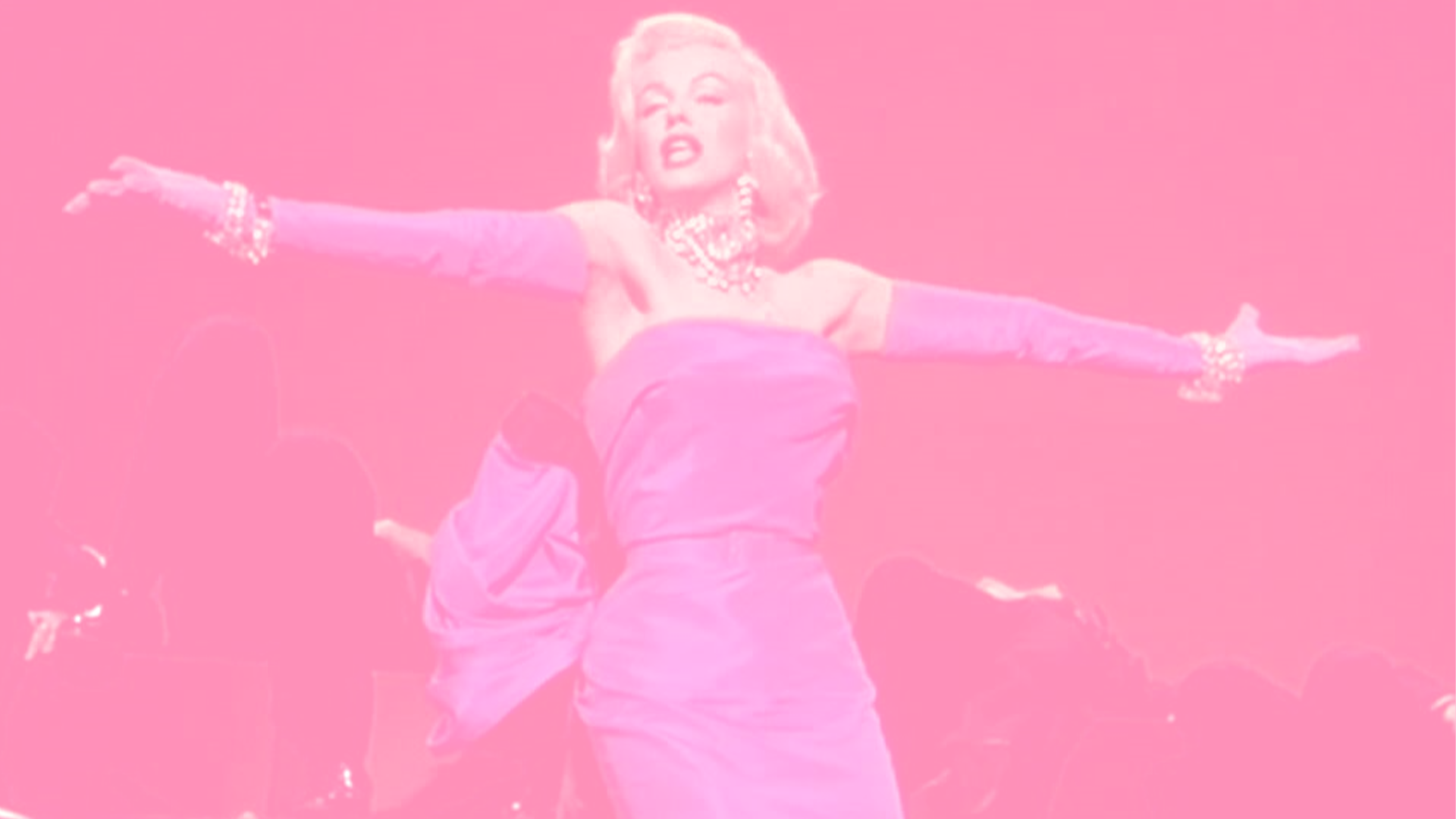
An essay in verse by film journalist and curator Basje Boer — a meditation on what a stereotype actually is, who draws the lines, and what the difference is between a broad gesture and a nuanced portrait. This piece accompanies the Girls of Plenty programme at LAB111 and asks the question that precedes all the others: before we can talk about the representation of women in cinema, we have to ask what we actually mean when we call something a stereotype.
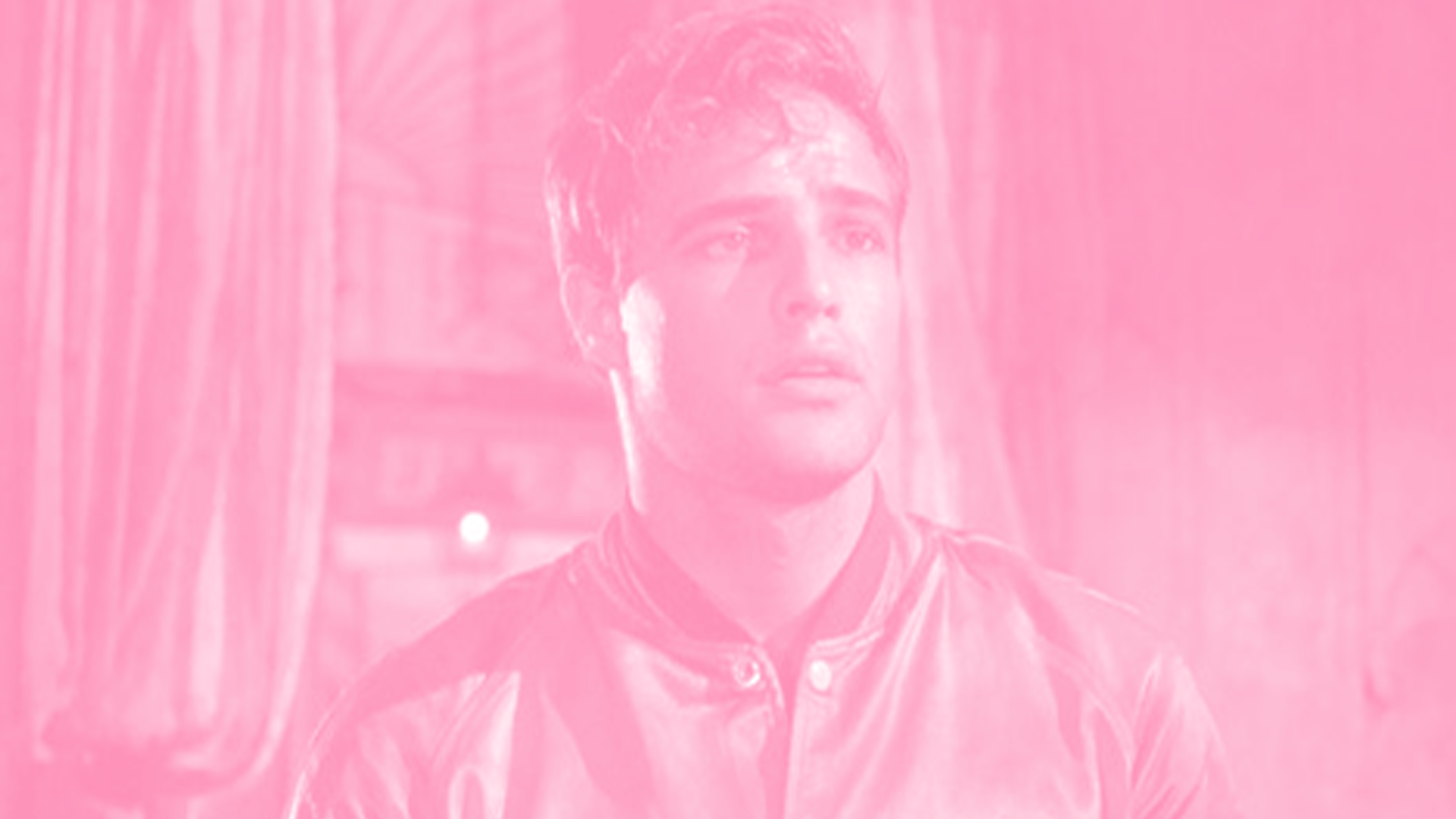
An essay by actor Mike Gomez — guest on the Art of Acting episode — about watching Seth Brundle transform in The Fly at age seven, and what that moment planted. Part love letter to the act of losing yourself in a performance, part meditation on what the HEY, LOOK AT ME of acting actually costs, this piece is a companion to the conversation: cinema as first obsession, acting as a way of being present in the world. Written by someone who acts in theatre and on camera, but mostly, he admits, just in his head.
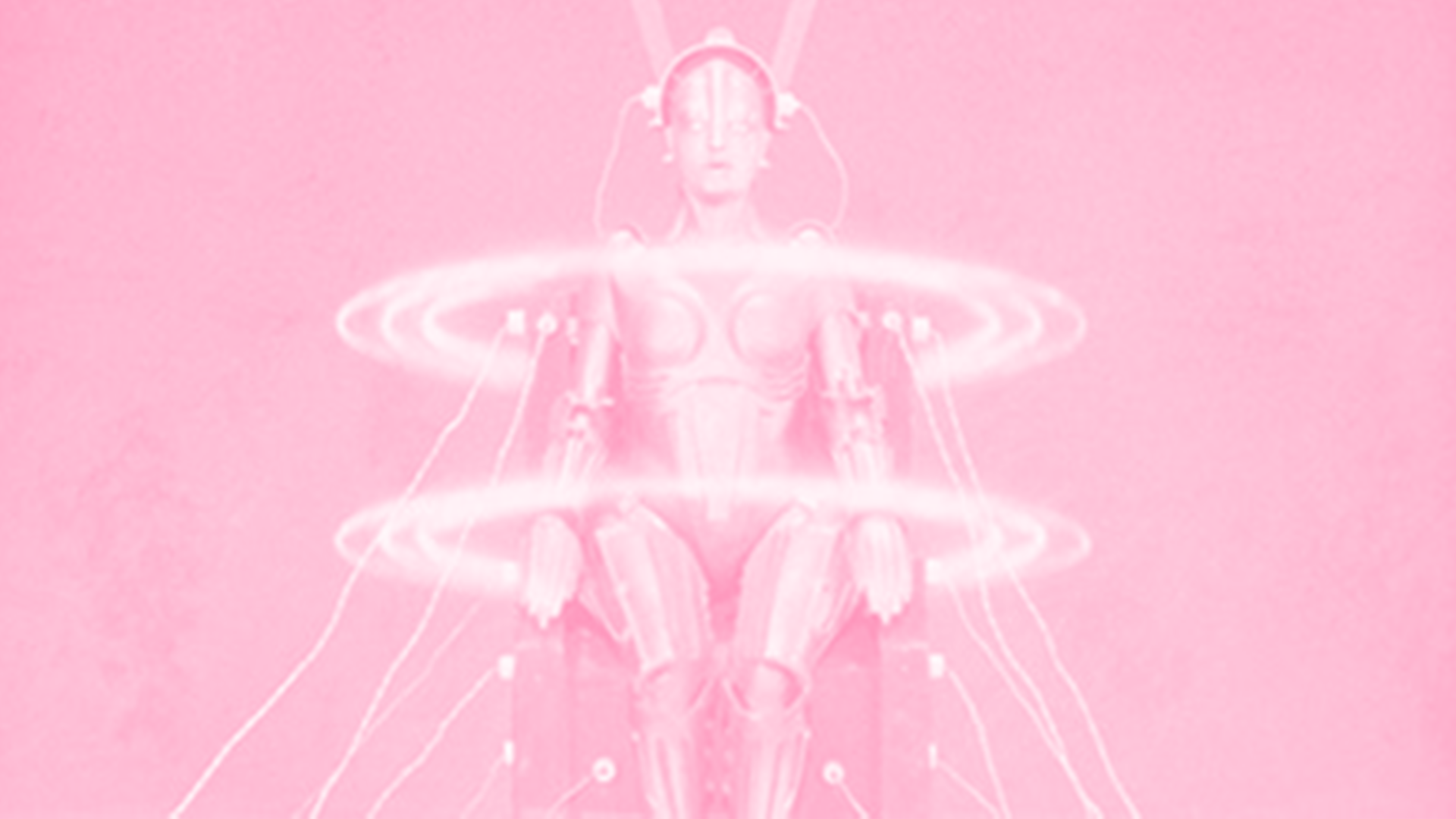
Written a year after AI experts called for a development pause that never happened, this essay asks what artificial intelligence actually means for those of us who love cinema. Less interested in the dystopian robot narratives than in the practical question: what happens when the labour of making images becomes automatable? To the cinematographers, editors, visual effects artists, actors whose likenesses are already being traded without their consent. A piece that tries to be honest about the uncertainty rather than pretend the question has already been settled.

An editorial by Elliot Bloom on the singular cinema of Nicolas Cage — the actor who made nouveau shamanic a coherent artistic position. From the snakeskin jacket of Wild at Heart to the manic energy of Mandy, this essay traces how Cage transformed from Hollywood golden boy to internet meme to cult auteur, and argues that what looks like excess is actually conviction. Required reading before (or after) the podcast episode.
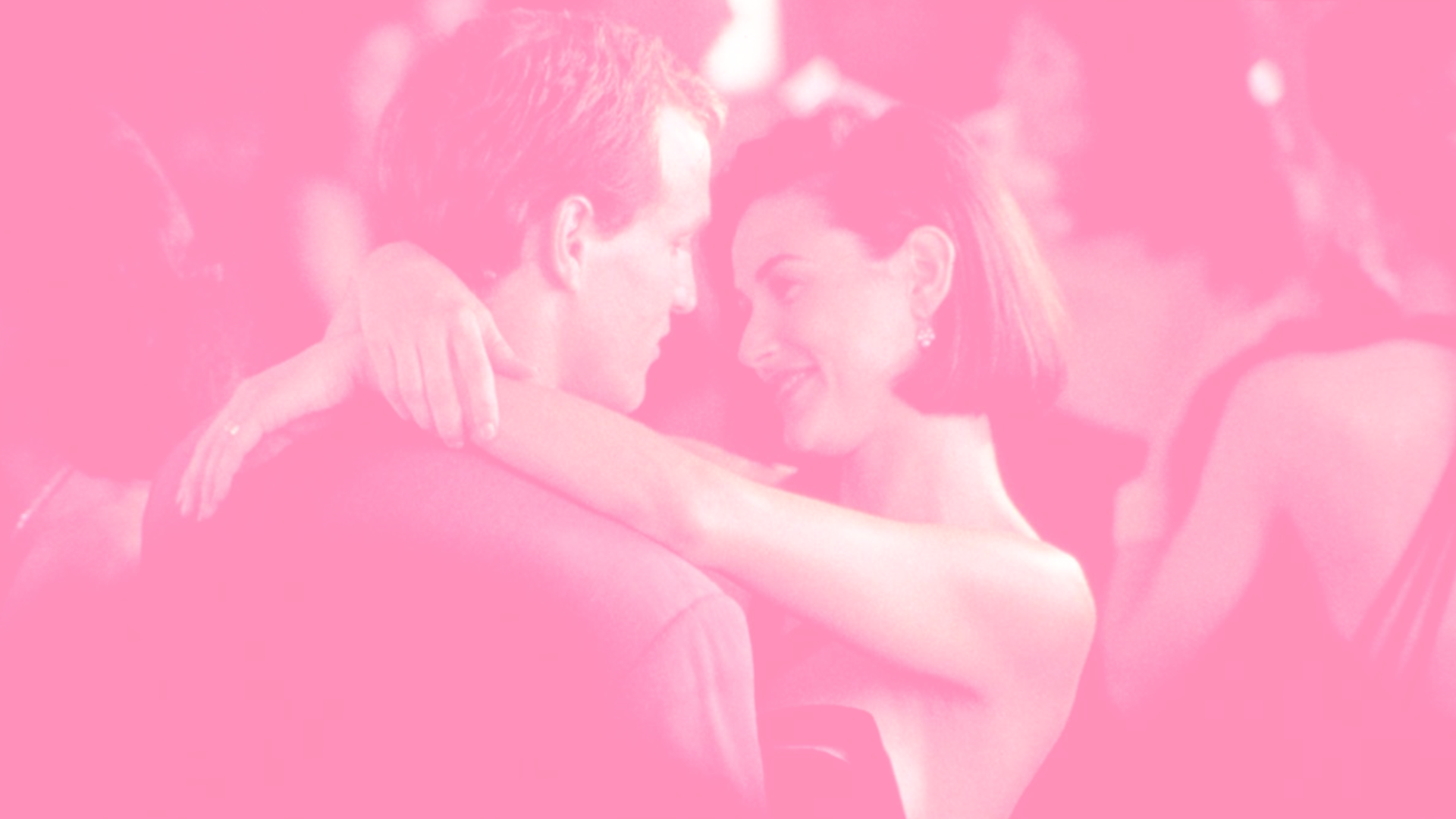
An essay about the disappearance of the sex scene from mainstream cinema — and what that disappearance says about who the industry thinks it’s making films for. Written from the position of someone who grew up in the genuinely unapologetic 1990s, when Wild Things and Eyes Wide Shut and Basic Instinct treated audiences as adults: the essay asks whether this is a feminist recalibration or a corporate risk-aversion, and whether the internet has made cinema’s attempts at erotic charge redundant before they begin.

A personal essay about falling in love with a fictional world for the first time — and what that falling changes. The essay begins with the millennial experience of choosing your cinematic religion by accident: one film, one moment, one deep passionate desire planted in the heart. For this writer, that moment was Studio Ghibli. The essay follows that first encounter through the years, asking what it means to carry a fictional world inside you as a way of understanding the actual one.
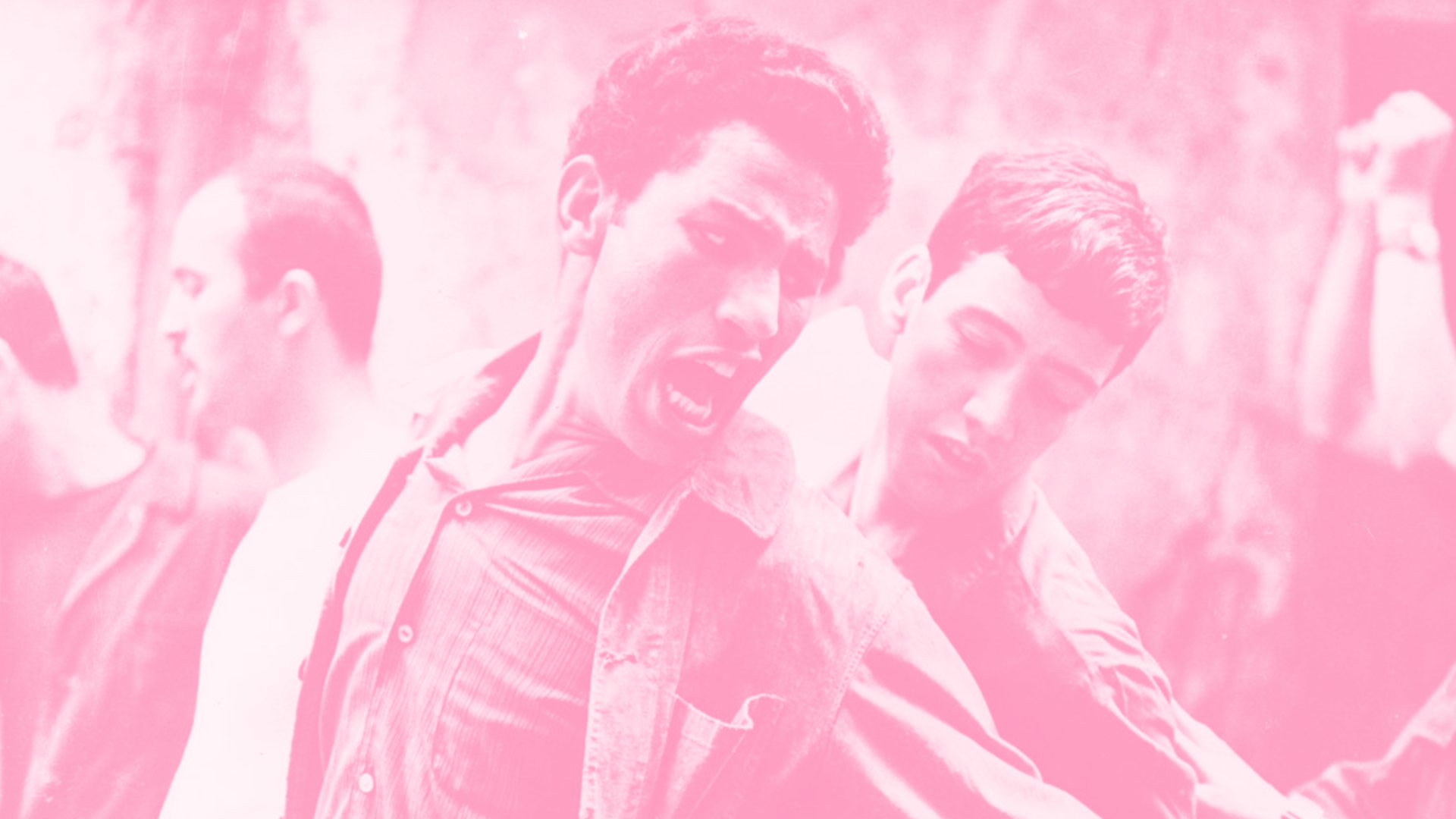
An essay by Elliot Bloom, written during the most acute phase of Israel’s assault on Gaza. Starting from the conviction that cinema is not just watched but discussed, this piece asks what Pontecorvo’s The Battle of Algiers — a film about colonial violence, resistance, and the mechanics of occupation — can tell us about the images arriving from Palestine. Not a comfortable essay, but an honest one. Written for anyone who has been shaken to the core and found themselves reaching for cinema to try to understand.
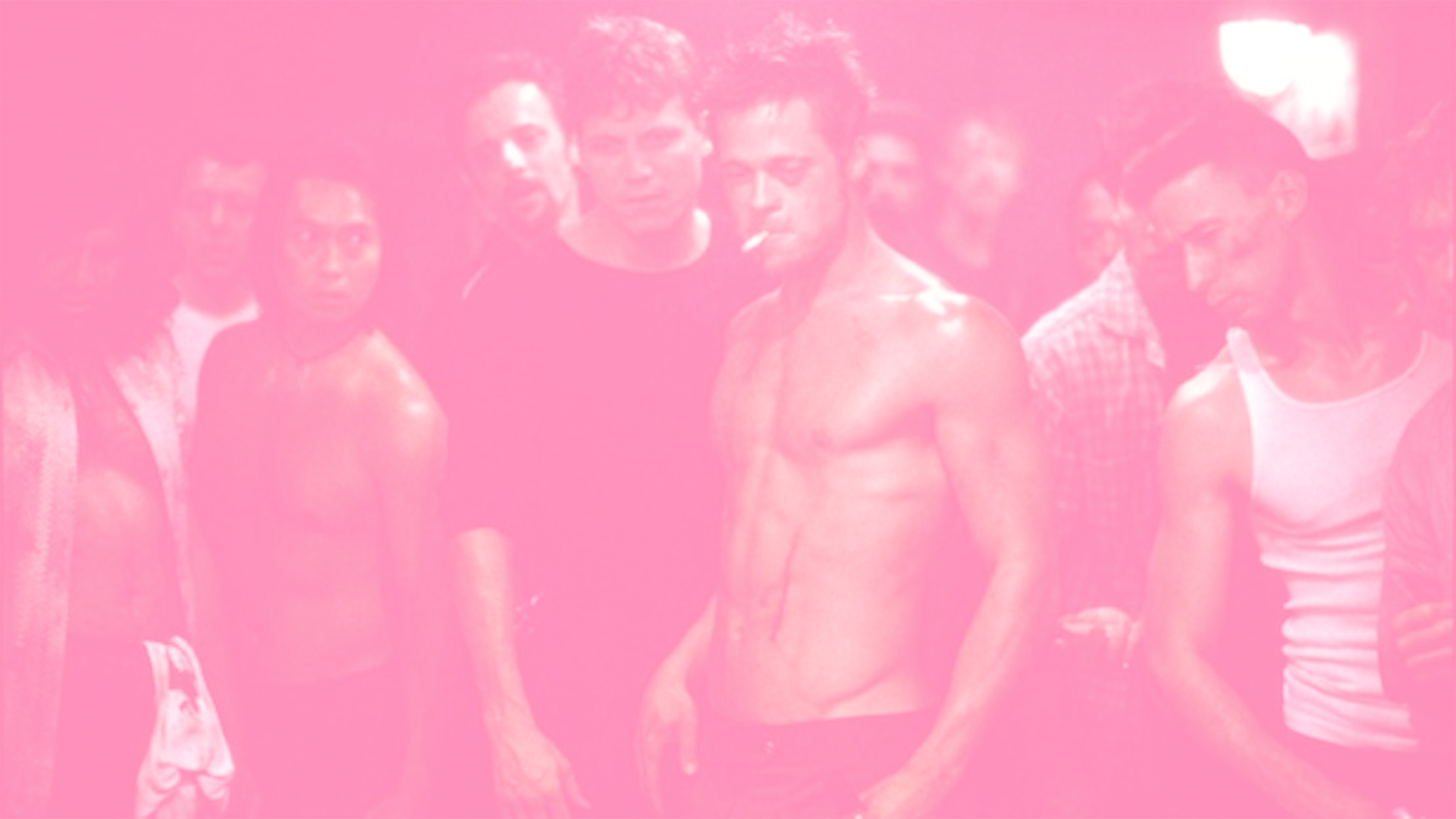
A personal essay about the specific seduction of David Fincher’s films — beginning with a line from Fight Club the author still uses to calm herself down. What is it about Fincher’s protagonists, these obsessive, brilliant, deeply damaged men, that makes them so compelling to follow? The essay traces this fascination through Se7en, Zodiac, and The Social Network: an honest account of falling for a filmmaker whose films are, on close examination, about the very seduction they enact on their audience.
Recent Comments