A provocation: does Martin Scorsese glamourise the vices he claims to be examining? His greatest films make you feel the seduction of the life they’re condemning — and this essay asks whether that’s a moral failure or a formal achievement. From Mean Streets to Goodfellas to Killers of the Flower Moon, the essay traces the specific charge of Scorsese’s cinema: the way it makes transgression feel like living, and whether the distinction between showing and celebrating ultimately matters.
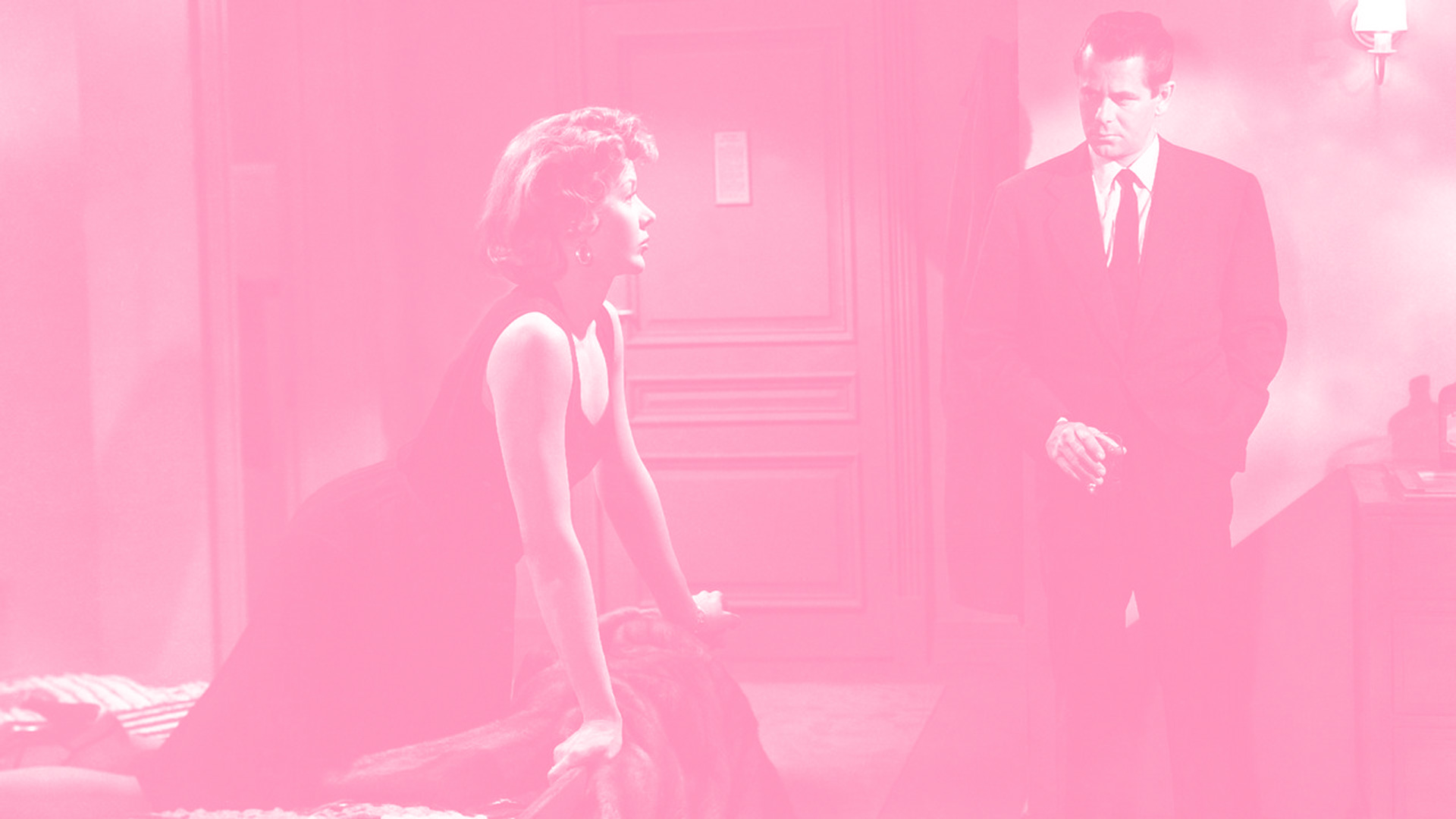
An essay beginning with a bookcase full of pulpy post-war American dimestore novels — Twisted Wives, Satan is a Woman, Girls Dormitory — and the question of why their covers felt like a portal to another world. Film noir, this piece argues, is not a genre but an atmosphere: a way of looking at the world that presupposes guilty men, dangerous women, and a city that will not let you be innocent. An introduction to noir through the images that made it — and the question of whether it ever really went away.
Beginning with a high-school encounter with Le Petit Prince and the word ephemere, this essay builds toward a question that cinema has been circling for decades: what is it about Tilda Swinton? An actor who refuses categorisation, who seems to occupy a different ontological register from the other bodies on screen, who makes every film she appears in feel as though it’s been waiting for her specifically. An essay about ineffability — about how some performances can’t be described, only pointed at.
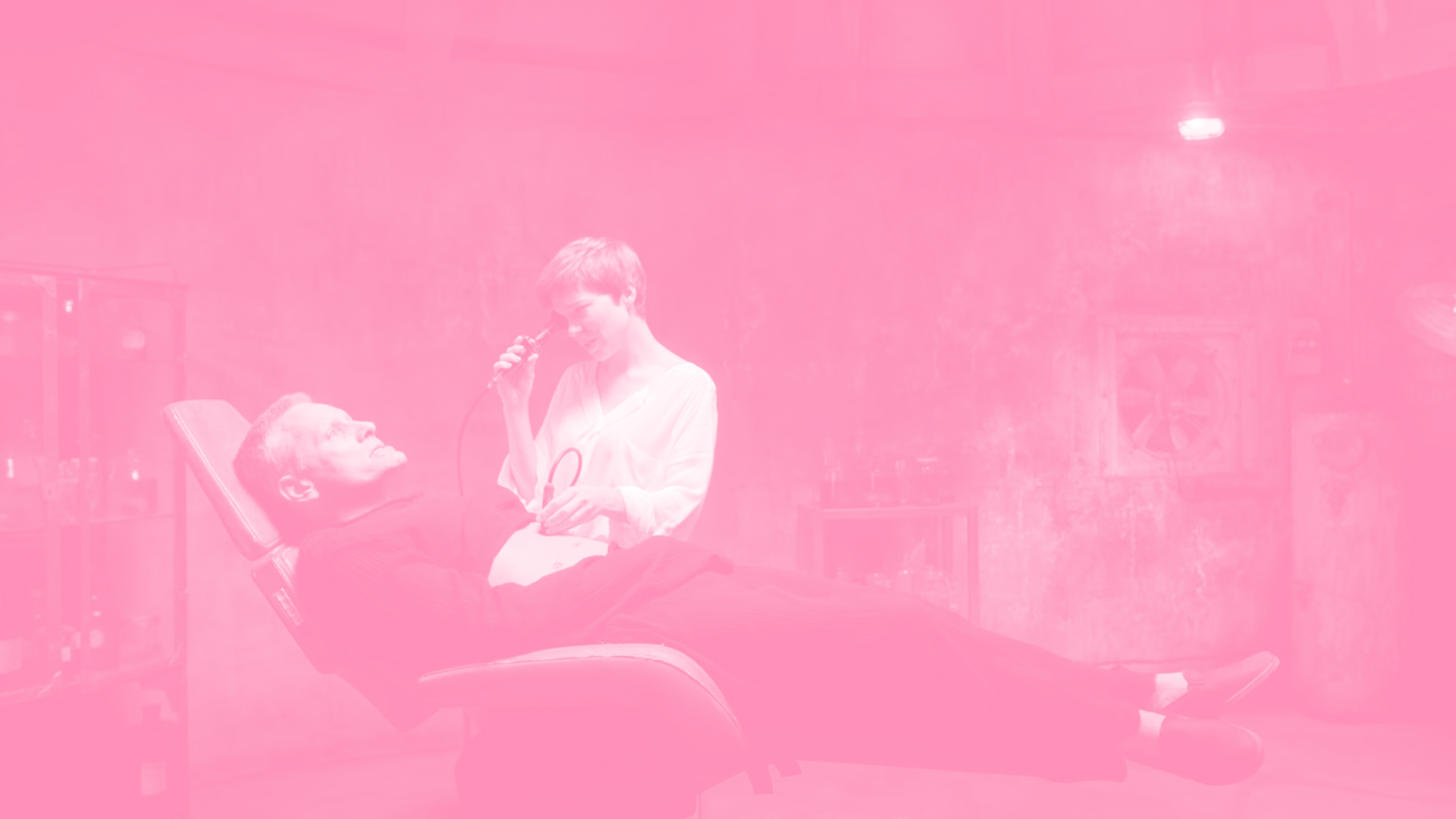
Beginning with a pain in the right index finger from too much smartphone use — and the impossibility of growing an extra thumb to cope — this essay moves into Cronenberg territory: the filmmaker who has spent fifty years exploring what happens at the intersection of human bodies and the technologies they’ve invented. From Videodrome to Crash to Crimes of the Future, an essay about what Cronenberg sees in the body that the rest of cinema looks away from, and why his vision feels more accurate to how we actually live than almost anything being made today.
A personal essay prompted by the release of Licorice Pizza that turns into something more uncomfortable: an examination of why Paul Thomas Anderson’s flawed, narcissistic, often monstrous male characters are so compelling to watch. From Daniel Plainview to Lancaster Dodd to Barry Egan: what is the specific seduction of a man who believes his own mythology? And what does it say about a viewer that she found herself falling for them? A piece about cinema’s power to make us desire what we know we shouldn’t.
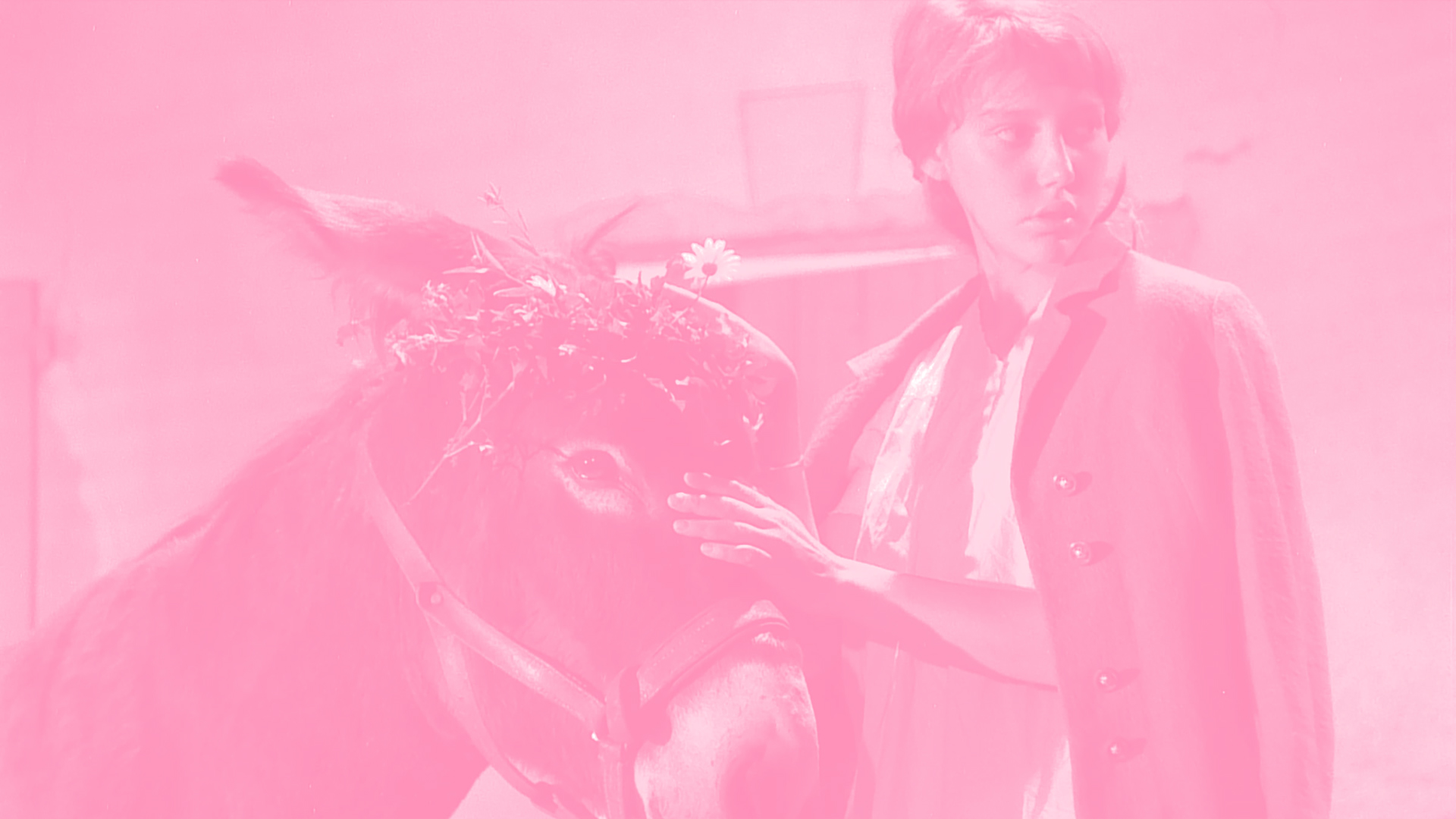
An editorial reflection on the central contradiction of cinema: how a medium that requires you to be physically still can make you transcend yourself entirely. Drawing on Paul Schrader’s concept of transcendental style and the experience of films that do something you can’t quite name — that seem to shift the room around you — this piece asks what it means when cinema doesn’t just move you but lifts you. For anyone who has floated out of a dark room changed by what they saw in it.
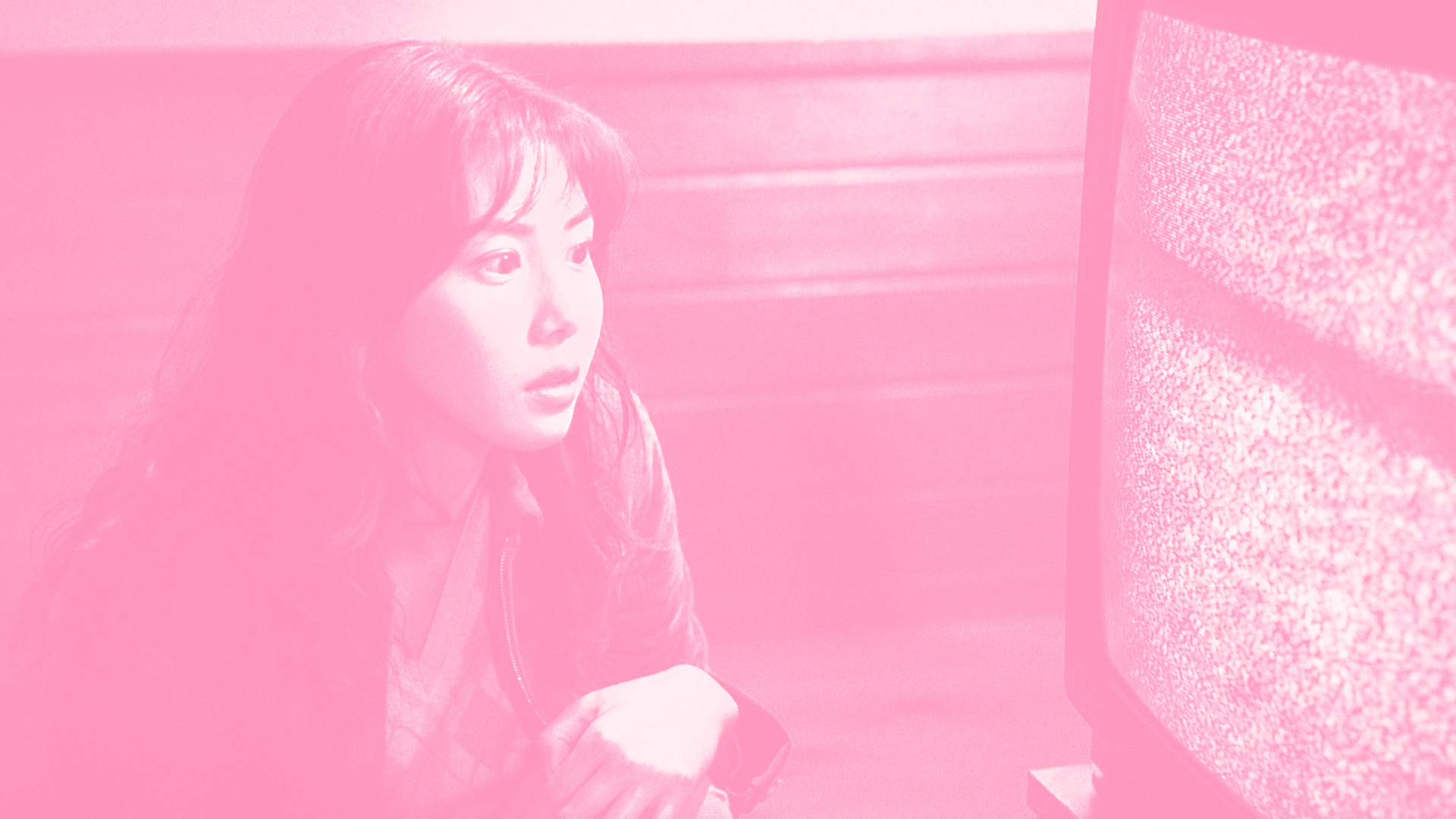
In elementary school, the scariest thing imaginable was Ringu — Hideo Nakata’s 1998 Japanese horror film that seemed to arrive from a completely different cinema than the American films dominating our screens. This essay traces that first encounter with Japanese cinema through to a genuine love for its specific qualities: the silence, the stillness, the patience, the willingness to sit with grief and ambiguity rather than resolve them. A personal account of falling for a national cinema — and what that falling opens up.
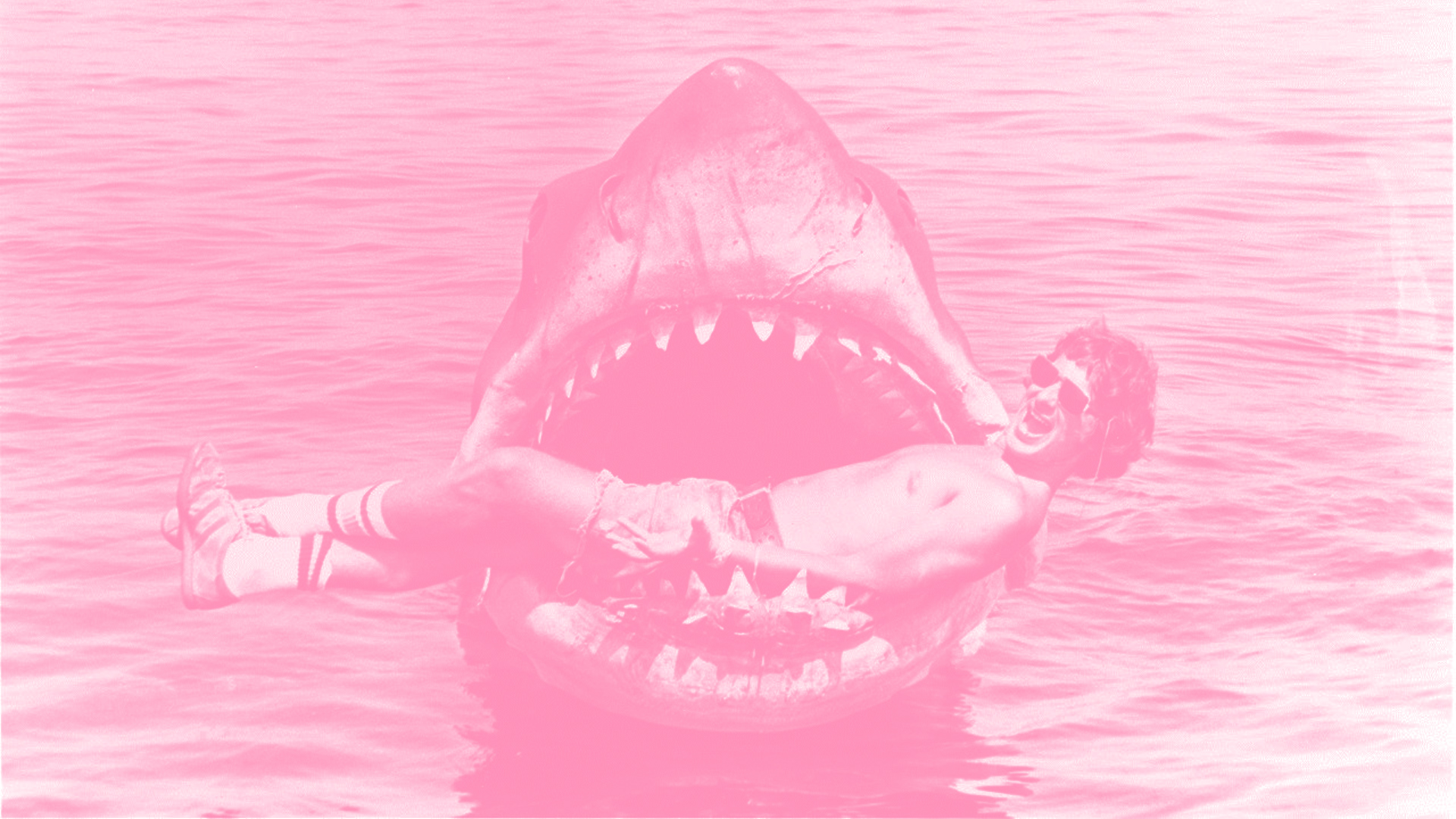
For over 40 years, movie fans have eagerly awaited the arrival of summer and the Hollywood blockbusters that defined it. From Jaws to Star Wars to The Dark Knight, the summer blockbuster has been both a commercial institution and a cultural ritual — and its history tells the story of Hollywood itself. This essay traces the evolution of the blockbuster from its origins in the 1970s to the present, asking what the summer season reveals about what audiences want from cinema, and whether the golden age of the event movie is behind us.
An essay that begins with a passionate love for the tomato — a fruit that is, the writer argues, an emblem of life itself: often sour, sweet at times, bitter when gone wrong, and extraordinary when done perfectly right. From tomatophilia to cinema’s most famous tomatoes, this playful piece finds in the humble tomato a key to understanding what cinema does to us when it’s at its best: transforms the ordinary into something you can’t stop thinking about.
An essay exploring what changes when cinema’s erotic charge is directed by and toward women rather than performing femininity for a presumed male viewer. From the classic gaze theory of Laura Mulvey to the contemporary films rethinking how desire works on screen, this piece asks what female desire looks like when it doesn’t have to perform for anyone — and whether cinema is finally catching up with the women it has always claimed to be about.


Recent Comments